
By Cillian Madden | Physiotherapist, Star Physio Perth
You’ve spent months building your fitness, increasing your training and preparing for your next running, cycling or triathlon event. Then suddenly, an Achilles tendon starts hurting, your knee becomes painful, or a shoulder injury interrupts your swimming.
Sound familiar?
Endurance sport injuries are frustrating, particularly when you’re training consistently and feeling fit. But why do they happen? Is it simply too much training, inadequate recovery, poor technique or the wrong equipment?
The answer is usually more complicated.
Research continues to improve our understanding of the factors contributing to running, cycling and other endurance sport injuries. At Star Physio, we use this evidence to help athletes understand their injuries, recover effectively and return to the activities they enjoy.
Here are five important factors to consider.
1. Training Load: It’s Not Just How Much You Train
Gradually increasing your training volume is an important part of preparing for endurance events.
You’ve probably heard of the 10% rule, which suggests increasing your weekly training volume by no more than 10%.
While this can provide a useful starting point, research suggests that training load is more complicated than simply counting weekly kilometres.
How you distribute your training across the week can be just as important as your total volume.
For example:
Imagine you normally run 40 km each week, consisting of four 10 km runs.
The following week, you complete two 10 km runs and one 20 km run.
Your total weekly distance hasn’t changed, but your longest run has doubled!
A 2025 study of more than 5,000 runners found an association between running injuries and individual runs that exceeded the longest run completed in the previous 30 days by more than 10%.
Interestingly, the researchers did not identify the same association when examining changes in weekly running distance.
Although this observational study cannot prove that sudden increases in individual run distance cause injuries, it highlights the importance of considering individual sessions rather than weekly totals alone.
What does this mean for your training?
When planning your running, cycling or triathlon training, consider:
- Session duration: Are you suddenly increasing your longest run or ride?
- Training intensity: Have you introduced harder intervals, hills or faster efforts?
- Recovery: Are demanding sessions scheduled too closely together?
- Training consistency: Have you adequately prepared for the demands of your next training block?
The International Olympic Committee also recommends considering training intensity, frequency and recovery when managing injury risk.
The key message? Your body needs time to adapt to the specific demands you’re placing on it.
If you’ve spent several months building aerobic endurance, for example, introducing high-intensity intervals or hill sessions should still be approached progressively.
2. Previous Injuries Can Influence Future Injury Risk
One of the strongest predictors of future running injuries is a history of previous injury.
Research has consistently identified previous running injuries as a risk factor for further injury.
However, this doesn’t mean you’re destined to experience the same problem again.
It means that how you rehabilitate and return to training matters.
Consider these questions:
- Have you regained the strength and capacity required for your sport?
- Can you comfortably complete your usual training sessions?
- Have you progressively returned to longer distances and harder efforts?
- Are you confident that your body can tolerate the demands of your next event?
For example, a runner recovering from Achilles tendinopathy might be comfortable running 5 km but struggle when increasing distance, introducing hills or returning to faster sessions.
Similarly, a cyclist recovering from knee pain may tolerate shorter rides but experience symptoms when increasing training volume or intensity.
How can physiotherapy help?
At Star Physio, our physiotherapists assess the factors relevant to your particular injury and sporting goals.
This may include strength testing, movement assessment, training history and sport-specific rehabilitation exercises.
Importantly, finding a weakness or movement difference doesn’t automatically mean we’ve discovered the cause of your injury.
However, identifying areas that require improvement can help guide rehabilitation and prepare you for the demands of training and competition.
Our goal isn’t simply to get you pain-free. It’s to help you return to your previous training level with the confidence and physical capacity to keep progressing.
3. Running Technique, Bike Position and Equipment Matter
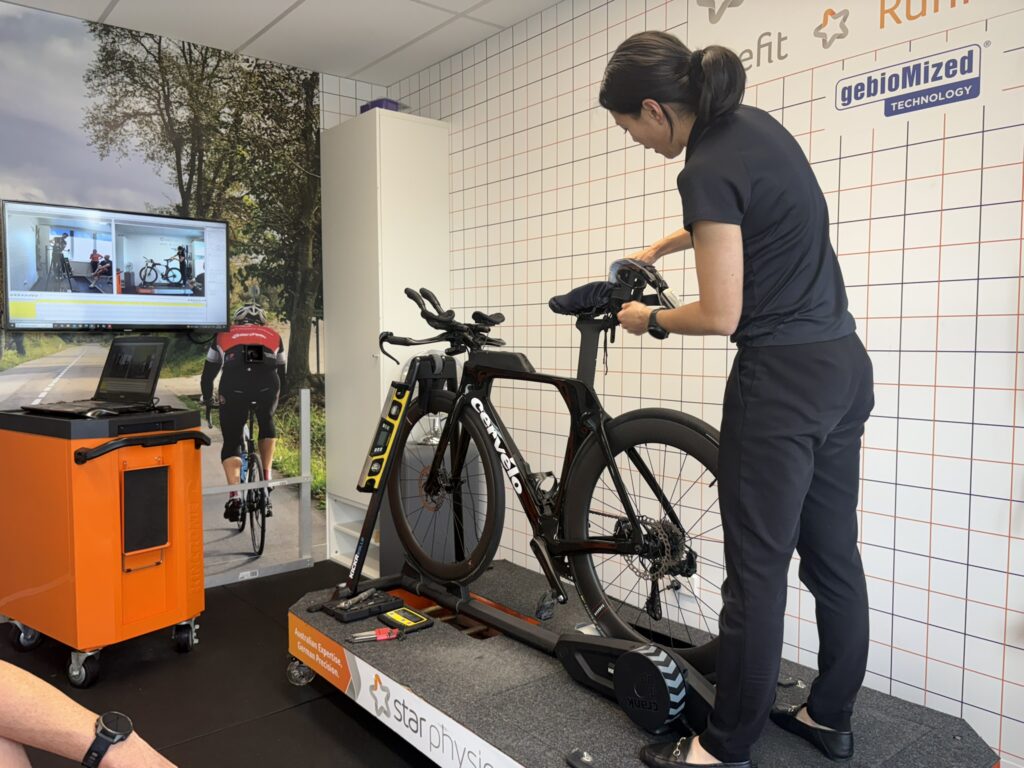
An individualised cycling position can help improve comfort and manage cycling-related pain.
Is your running technique causing your knee pain?
Could your cycling position be contributing to Achilles or back pain?
Would changing your shoes help?
These are common questions we hear from endurance athletes.
The research tells us that there is no single perfect running technique, swimming stroke or cycling position that guarantees injury-free training.
However, that doesn’t mean technique and equipment are unimportant.
The most appropriate approach depends on your individual anatomy, injury history, sporting demands and goals.
Running shoes and technique
Despite the enormous variety of running shoes available, research hasn’t established that one particular shoe design consistently prevents injuries.
A Cochrane review of running shoes found insufficient high-quality evidence to confidently recommend one shoe category over another for injury prevention.
Rather than simply choosing the most expensive shoes or following the latest trends, consider comfort, suitability for your running and how your body responds.
Changes to running technique may also be helpful in selected circumstances, particularly when managing specific injuries.
However, these changes should have a clear purpose and be introduced progressively.
Star Physio has running shoe experts on site, with two podiatrists on staff. Have a read of Dr Sam Steel’s article on running shoes here!
There is a lot of debate around whether running technique contributes to injury. We certainly know that once someone gets running pain, technique can change which often leads to more pain and injury. Read a bit more about how we can help you with running injuries here!
Cycling position and bikefit
For cyclists and triathletes, bike position can influence comfort, movement and how forces are distributed through the body.
Saddle height, saddle position, reach, handlebar setup and foot positioning may all be relevant when investigating cycling-related pain.
At Star Physio, our physiotherapy-led bikefit service combines clinical assessment with dynamic analysis of your cycling position.
Using technology including saddle pressure measurement and video analysis, we assess how you interact with your bike and identify adjustments that may improve comfort and performance.
The aim isn’t to make every cyclist look the same. It’s to find a position that works for your body, your injury history and your cycling goals.
Whether we’re adjusting your running technique, recommending different footwear or modifying your bike position, changes should be individualised and assessed for their effect on symptoms and performance.
4. Recovery Is More Than Taking a Rest Day
Endurance athletes often focus heavily on training volume and intensity but pay less attention to recovery.
Yet recovery is an essential part of adapting to training.
Hard training sessions create physiological stress. With appropriate recovery, your body adapts and becomes better prepared for future training demands.
When recovery is inadequate, fatigue can accumulate and your ability to tolerate further training may be affected.
Factors worth considering include:
- Sleep quality and duration
- The spacing of demanding training sessions
- Work, family and other life stresses
- Nutrition and hydration
- Changes in training intensity or volume
Recovery requirements also vary between athletes.
A training program that works well for someone with flexible working hours may be less suitable for an athlete balancing full-time work, family commitments and limited sleep.
A successful endurance training program needs to fit your life, not just your sporting ambitions.
Sometimes the most effective adjustment isn’t reducing your overall training volume but reorganising your sessions to allow better recovery between demanding efforts.
5. Eating Enough Is Essential for Injury Prevention and Recovery
As endurance training increases, so do your body’s energy requirements.
Unfortunately, it’s easy for athletes to increase their training without making corresponding changes to their nutrition.
Over time, inadequate energy intake can affect recovery, bone health and sporting performance.
One important condition associated with prolonged inadequate energy availability is Relative Energy Deficiency in Sport (REDs).
According to the International Olympic Committee, REDs can affect athletes of any sex and may contribute to a range of health and performance problems, including impaired bone health.
Athletes experiencing recurrent bone stress injuries, persistent fatigue or difficulty recovering from training should consider whether inadequate fuelling may be contributing.
Not every injury is related to nutrition, but ensuring adequate energy intake is an important part of supporting training adaptation and recovery.
At Star Physio, our sports dietitian can help endurance athletes develop practical nutrition strategies to support their training, recovery and competition goals. You can read Donna’s recent article on fuelling for endurance sport here!
How Star Physio Can Help Endurance Athletes
Whether you’re training for your first half-marathon, preparing for an Ironman or building towards your next cycling event, injuries can disrupt months of preparation.
The good news is that many endurance sport injuries can be successfully managed with an individualised approach to rehabilitation and training.
At Star Physio, we combine clinical assessment, exercise rehabilitation and an understanding of endurance sport training demands to help athletes:
- Understand the factors contributing to their injury
- Manage training loads while recovering
- Improve strength and physical capacity
- Address relevant technique or equipment issues
- Progressively return to running, cycling or triathlon training
- Prepare for the demands of their next event
Meet Cillian Madden – Physiotherapist
Cillian combines his background in sports science and strength and conditioning with a particular interest in running, cycling and endurance sport rehabilitation.
He enjoys helping athletes understand their injuries, improve their physical capacity and return confidently to training.
Cillian is available at Star Physio West Perth and Mosman Park.
Research and Further Reading
- Running-related injuries and single-session running distance – British Journal of Sports Medicine (2025)
- IOC Consensus Statement on Load in Sport and Risk of Injury
- Previous injury and running injury risk – Systematic Review
- Running shoes for preventing lower limb running injuries – Cochrane Review
- IOC Consensus Statement on Relative Energy Deficiency in Sport (2023)
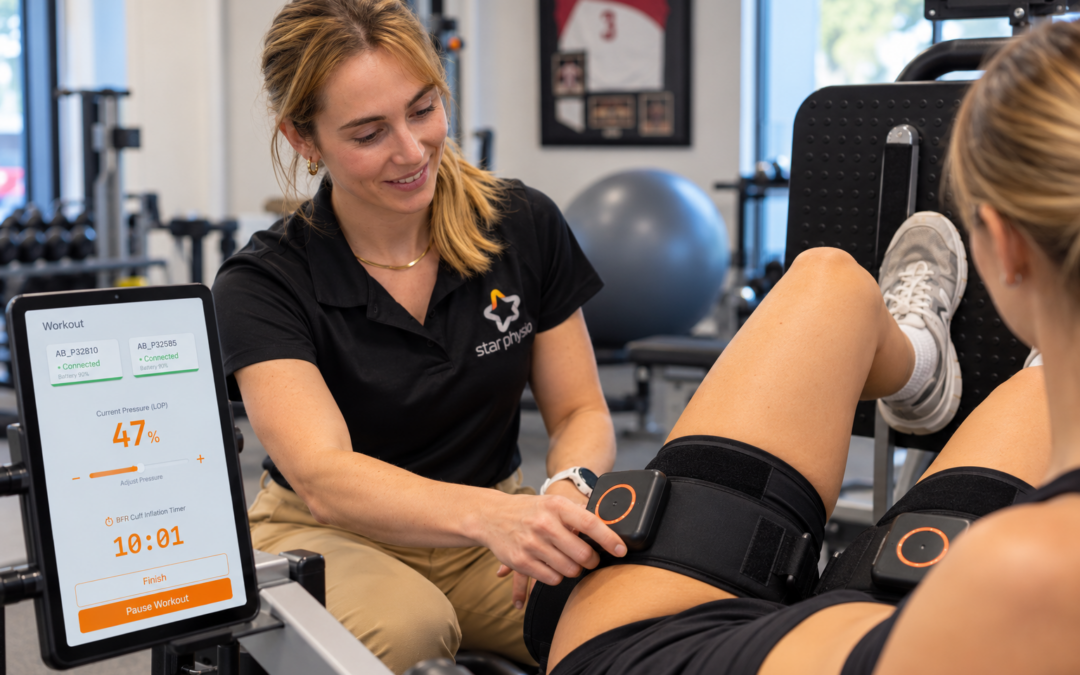
Blood Flow Restriction Training: Big Gains From Light Loads
By Amy Ross | Physiotherapist & Exercise Scientist | Star Physio Perth Have you been told you need to get stronger to recover from an injury, but heavy weights aren't an option right now? Perhaps you're recovering from knee surgery, managing a painful joint or...

Meet Cillian Madden – Physiotherapist at Star Physio West Perth & Mosman Park
Meet Cillian Madden, physiotherapist at Star Physio West Perth and Mosman Park. Cillian treats pain and musculoskeletal injuries, with a strong background in rehabilitation and particular interests in running, cycling, volleyball and lacrosse.
Bikefit Perth – International Bikefit Conference
Star Physio physiotherapist James Lewin recently attended the International Bike Fitting Institute Global Conference at Silverstone in the UK, bringing the latest international bikefit research and technology back to Perth cyclists.
Triathlon Nutrition Perth: 5 Smart Off-Season Nutrition Strategies for Triathletes
The off-season is one of the most important times for triathletes to recover, rebuild and prepare for next season. Sports dietitian and triathlete Donna Kimpton shares five smart nutrition strategies to improve recovery, health and future performance.
