
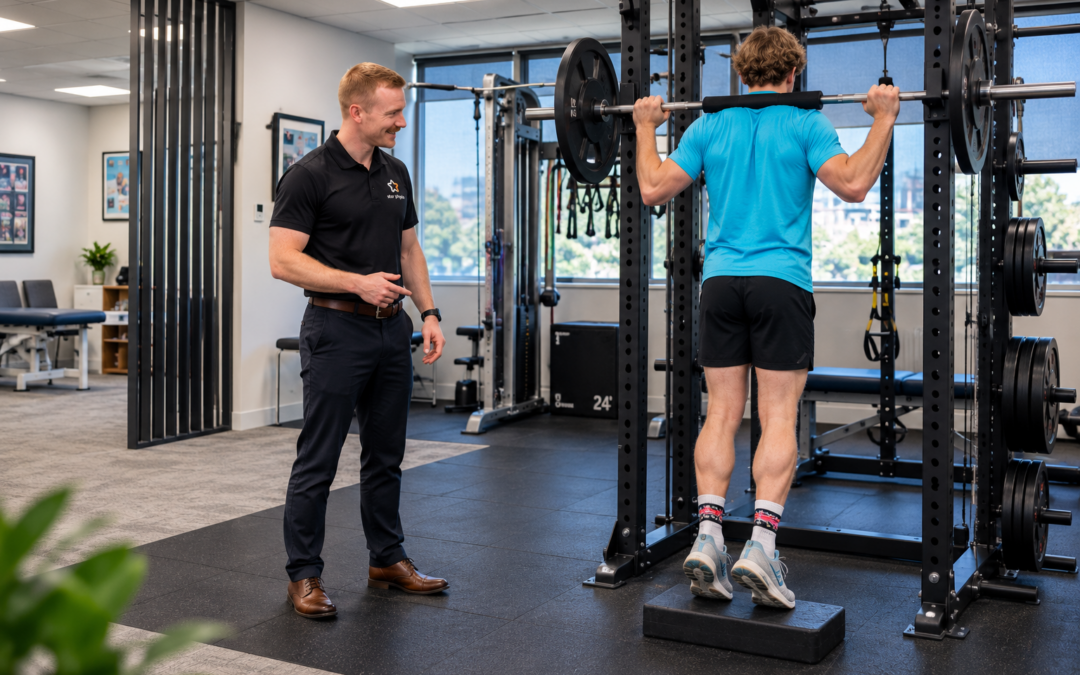
By Cillian Madden | Physiotherapist | Star Physio Perth
Achilles tendon pain stopping you from running? Whether you’re preparing for a marathon, returning to running after a break or simply trying to maintain your regular training, Achilles pain can be incredibly frustrating.
It might start as a little stiffness when you get out of bed or discomfort during the first few minutes of a run. Over time, however, symptoms can become more persistent and begin to affect your training.
The good news is that Achilles tendinopathy can often be managed successfully with the right combination of training adjustments, progressive strengthening and individualised rehabilitation.
At Star Physio, I work with runners and athletes to understand what’s contributing to their Achilles pain, build their capacity to tolerate running and help them return to the activities they enjoy.
Here’s what you need to know about Achilles tendinopathy and how physiotherapy can help.
What Is Achilles Tendinopathy?
Achilles tendinopathy is a condition characterised by pain and reduced function involving the Achilles tendon, which connects your calf muscles to your heel bone.
It’s a common problem among runners because the Achilles tendon is repeatedly loaded during running, jumping and other sporting activities.
Research involving recreational runners has demonstrated that Achilles tendinopathy can affect a substantial proportion of runners over time.
Previous Achilles problems can also increase the likelihood of experiencing further symptoms.
The condition is sometimes called Achilles tendonitis, although tendinopathy is generally a more appropriate term because persistent Achilles pain isn’t simply an inflammatory problem.
What Are the Symptoms of Achilles Tendinopathy?
Common symptoms include:
- Morning stiffness: Pain or stiffness around the Achilles tendon when taking your first steps after getting out of bed.
- Pain during or after running: Discomfort that may improve as you warm up but return later.
- Tenderness: Pain when touching or squeezing the affected area of the tendon.
- Reduced loading tolerance: Discomfort during calf raises, hopping or other activities that load the Achilles.
Symptoms vary between individuals, and not all Achilles pain is caused by tendinopathy.
A sudden pop, marked weakness or difficulty pushing off the foot may indicate a more significant injury, including an Achilles tendon rupture, and requires prompt medical assessment.
Midportion vs Insertional Achilles Tendinopathy
There are two main presentations of Achilles tendinopathy.
Midportion Achilles tendinopathy typically causes pain a few centimetres above the heel bone.
Insertional Achilles tendinopathy causes pain closer to where the tendon attaches to the heel.
This distinction is important because the most appropriate rehabilitation exercises and loading strategies can differ.
For example, some exercises involving deep ankle dorsiflexion may aggravate insertional Achilles symptoms.
A physiotherapy assessment can help identify which presentation you have and guide the most appropriate treatment.
If Achilles pain is interfering with your running, book an assessment with Cillian Madden at Star Physio to get an individualised rehabilitation plan.
What Causes Achilles Tendon Pain in Runners?
Achilles pain often develops when the demands placed on the tendon exceed its current capacity to tolerate and recover from loading.
This sounds straightforward, but there are many factors that can influence your Achilles tendon’s capacity.
Common Contributing Factors
1. Increasing running distance too quickly
A sudden increase in weekly kilometres or long-run distance can expose the tendon to more loading than it is accustomed to.
2. Adding hills or speed sessions
Hill running, faster running and interval training can increase the demands placed on the calf muscles and Achilles tendon.
3. Returning to running after a break
Following time away from running, your cardiovascular fitness may recover faster than your tendon capacity.
4. Changes in strength training
Starting a new strength program, changing exercise intensity or combining demanding gym sessions with running can influence your total training load.
5. Reduced calf strength or endurance
Your calf muscles play an important role in managing the forces involved in running.
6. Inadequate recovery
Poor sleep, work stress and insufficient recovery between demanding sessions may affect your ability to adapt to training.
7. Changes in running footwear
Switching to unfamiliar running shoes, including carbon-plated racing shoes, can alter how loads are distributed through the lower limbs.
These factors don’t necessarily cause an injury in isolation.
Often, several changes occur together.
This is why I take time to understand your running history, training schedule, previous injuries and recovery when assessing Achilles tendon pain.
How Is Achilles Tendinopathy Treated?
The most effective rehabilitation approach generally combines education, appropriate activity modification and progressive tendon-loading exercises.
Importantly, treatment doesn’t always mean stopping running completely.
1. Adjust Your Running Rather Than Automatically Stopping
One of the first things I assess is how your Achilles tendon responds to different running activities.
Some runners can continue running with manageable symptoms, provided their training is adjusted appropriately.
Research has shown that, in selected people with Achilles tendinopathy, continuing running and jumping using a structured pain-monitoring approach can produce outcomes comparable to temporarily avoiding these activities.
Depending on your symptoms, we might recommend:
- Replacing longer runs with shorter, easier sessions.
- Temporarily reducing speed work or interval training.
- Choosing flatter running routes instead of hills.
- Allowing more recovery between demanding sessions.
- Using cycling or other tolerated exercise to maintain cardiovascular fitness.
The aim is to find a level of activity that allows your symptoms to settle while maintaining as much fitness and function as possible.
However, some runners will need a temporary break from running, particularly if symptoms are more severe.
The key is finding the right balance for you.
2. Build Calf Strength and Achilles Tendon Capacity
Progressive strengthening is a central part of Achilles tendinopathy rehabilitation.
Current clinical guidelines recommend tendon-loading exercise as a first-line treatment for midportion Achilles tendinopathy.
Your rehabilitation program might progress through:
- Calf raises at an appropriate starting level.
- Gradually increasing resistance.
- More demanding single-leg calf exercises.
- Faster movements and plyometric exercises.
- Running-specific strength and loading.
The exercises, weights and progression should reflect your symptoms, current capacity and running goals.
For some people, this means starting with relatively simple exercises.
Others may already be strong but need more demanding exercises that better prepare them for running.
Midportion and insertional Achilles tendinopathy may also require different exercise modifications.
This is why following a generic calf-strengthening program isn’t always the best approach.
At Star Physio, I develop an individualised rehabilitation program that progresses as your tendon becomes more capable of tolerating load.
3. Address the Factors That Contributed to Your Injury
Strengthening the Achilles tendon is important, but it’s only one part of successful rehabilitation.
I also consider:
- How your running is structured throughout the week.
- The balance between easy and demanding sessions.
- Your calf strength and endurance.
- Previous lower-limb injuries.
- Your footwear and running goals.
- How your tendon responds to increases in training.
Understanding these factors helps us build a plan that supports your return to running and reduces the likelihood of repeating the same training mistakes. You can read more about endurance sport injuries here.
Returning to Running After Achilles Tendinopathy
Returning to running is often the most important goal for runners experiencing Achilles pain.
However, there isn’t one return-to-running program that suits everyone.
The right approach depends on your symptoms, strength, running history and goals.
Some runners can maintain a modified running program throughout rehabilitation.
Others need a gradual return after temporarily stopping.
What Do We Assess Before Returning to Running?
At Star Physio, your rehabilitation may include assessment of:
Calf strength and endurance
Can your calf muscles tolerate repeated loading, and how does the affected side compare with your other leg?
Hopping and plyometric capacity
Can your Achilles tendon tolerate faster loading that more closely resembles the demands of running?
Hip and knee strength
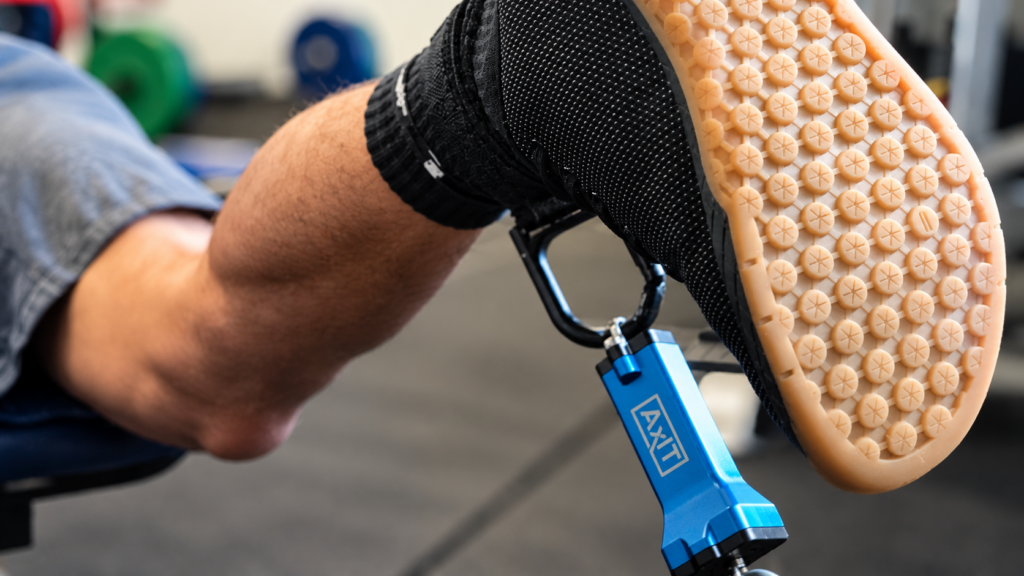
AXIT strength testing can provide objective measurements to help guide rehabilitation and return-to-running decisions at Star Physio Perth.
We can use our AXIT strength assessment system to objectively assess aspects of lower-limb strength and identify areas that may benefit from additional rehabilitation.
Running tolerance
How does your Achilles respond during a run, later that day and the following morning?
These findings help determine how quickly to progress your running.
Can RUNFit Running Analysis Help?
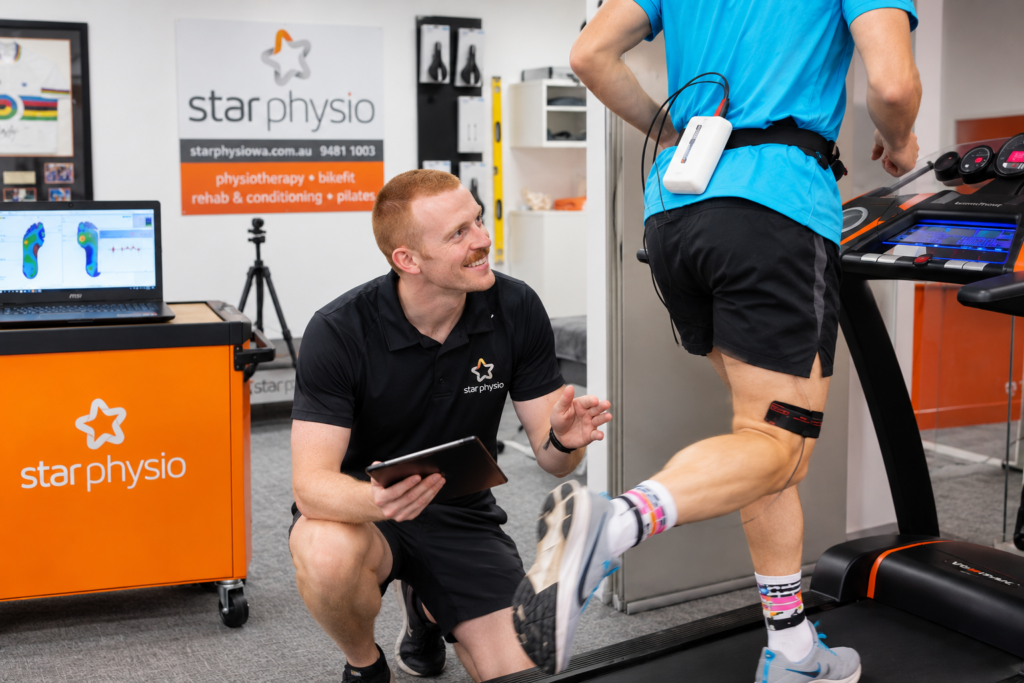
Physiotherapist Cillian Madden conducts running analysis that can help guide individualised rehabilitation and return-to-running programs at Star Physio Perth.
In some cases, analysing your running technique can provide useful additional information.
At Star Physio, our RUNFit Running Analysis allows us to assess running biomechanics and movement patterns that may be relevant to your symptoms.
This may help identify opportunities to modify running technique or develop a more targeted strengthening program.
Running analysis isn’t essential for every person with Achilles tendinopathy, and it cannot guarantee that an injury won’t return.
However, it can be a useful part of a comprehensive assessment, particularly for runners with recurring symptoms or difficulties progressing their rehabilitation.
How Do You Progress Back to Running?
Depending on your symptoms and current capacity, your return-to-running plan may involve:
- Starting with short, manageable runs or walk-run intervals.
- Gradually increasing running duration.
- Building consistent weekly running volume.
- Reintroducing hills, speed work and more demanding sessions.
- Returning to your usual training or competition goals.
Throughout this process, we monitor how your Achilles responds and adjust the program accordingly.
The aim isn’t simply to get you through your first pain-free run.
It’s to help you build the capacity and confidence to keep running consistently.
How Long Does Achilles Tendinopathy Take to Recover?
Achilles tendinopathy rehabilitation often takes several months.
Clinical guidelines commonly recommend a progressive tendon-loading program for at least 12 weeks, although recovery timelines vary considerably.
Some runners notice meaningful improvements relatively early.
Others require a longer period of rehabilitation, particularly when symptoms have been present for several months.
Your recovery may be influenced by:
- How long you’ve experienced symptoms.
- Your initial pain and functional limitations.
- Your current tendon and calf capacity.
- Your consistency with rehabilitation exercises.
- Your running goals and training demands.
Twelve weeks is a useful rehabilitation timeframe, not a guaranteed recovery deadline.
At Star Physio, my goal isn’t to keep you attending physiotherapy indefinitely.
It’s to give you the understanding, strength and practical tools to manage your Achilles tendon confidently over the long term.
Why See Cillian Madden for Achilles Pain at Star Physio?
As a physiotherapist with a strong interest in endurance sports, running injuries and strength and conditioning, I understand how frustrating it can be when an injury interrupts your training.
My approach combines clinical assessment with progressive rehabilitation and a clear plan for returning to sport.
When you book with me at Star Physio, we’ll work towards:
- Understanding what’s contributing to your Achilles pain.
- Identifying what running and exercise you can safely continue.
- Developing an individualised strengthening program.
- Measuring your progress using appropriate functional and strength assessments.
- Building a realistic return-to-running plan.
- Helping you manage your training confidently in the future.
Where appropriate, we can also incorporate AXIT strength testing and RUNFit running analysis to help guide your rehabilitation.
Whether you’re training for your first running event, managing a recurring Achilles injury or trying to return to competitive running, the focus is on helping you achieve your individual goals.
Don’t let Achilles pain keep interrupting your running.
If you’re experiencing Achilles stiffness, pain during running or difficulty returning to training, an early assessment can help you understand the problem and start an appropriate rehabilitation program.
Book directly with Cillian Madden at Star Physio West Perth or Mosman Park.
We’ll help you understand your symptoms, develop a practical treatment plan and work towards getting you back to running.
Can I keep running with Achilles tendinopathy?
Often, yes. Some runners can continue running with modifications to distance, speed, frequency or terrain. However, this depends on symptom severity and how the tendon responds during and after exercise. A physiotherapist can help determine an appropriate level of running.
What is the best treatment for Achilles tendinopathy?
Progressive tendon-loading exercises are a central component of treatment. Rehabilitation should also consider running load, recovery, strength and other individual contributing factors. The most appropriate exercise program may differ between midportion and insertional Achilles tendinopathy.
How long does Achilles tendon pain take to heal?
Recovery often takes several months. A structured strengthening program commonly runs for at least 12 weeks, but symptoms and functional recovery vary between individuals.
Should I stretch a painful Achilles tendon?
Stretching isn’t always necessary and may aggravate some presentations, particularly insertional Achilles tendinopathy. Exercise selection should be based on the location of symptoms and individual assessment.
Can running biomechanics contribute to Achilles pain?
Running technique can influence how forces are distributed through the lower limbs. In selected runners, a running assessment may help identify useful changes, although biomechanics are only one part of Achilles tendinopathy management.
 About the Author
Cillian Madden – Physiotherapist, Star Physio
Cillian Madden is a physiotherapist at Star Physio with a strong interest in running injuries, endurance sports, strength and conditioning, and return-to-sport rehabilitation.
He has experience working with athletes across endurance and team sports and uses individualised rehabilitation programs to help people recover from injury and return to their chosen activities.
Cillian consults at Star Physio West Perth and Mosman Park.
Book an appointment with Cillian Madden to discuss your Achilles pain or running injury.
6 Tips to Prevent Running Injuries
Want to stay injury-free while running? Star Physio podiatrist Dr Sam Steel shares six practical tips to help prevent running injuries, including choosing the right running shoes, strength training, warming up, managing training loads and allowing adequate recovery.
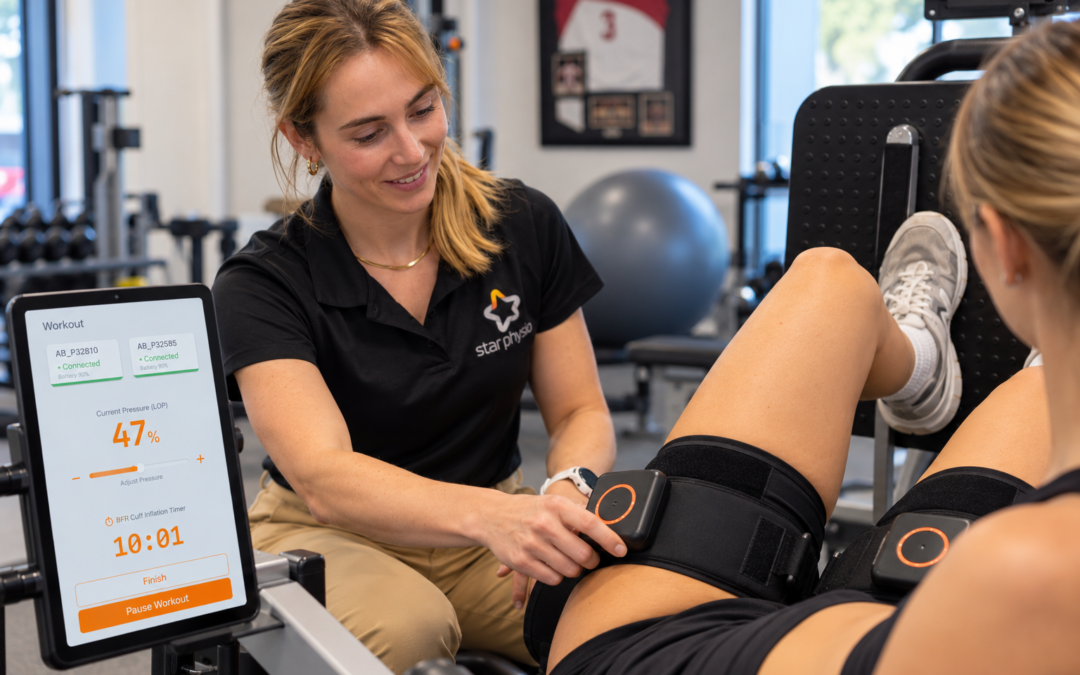
Blood Flow Restriction Training: Big Gains From Light Loads
By Amy Ross | Physiotherapist & Exercise Scientist | Star Physio Perth Have you been told you need to get stronger to recover from an injury, but heavy weights aren't an option right now? Perhaps you're recovering from knee surgery, managing a painful joint or...
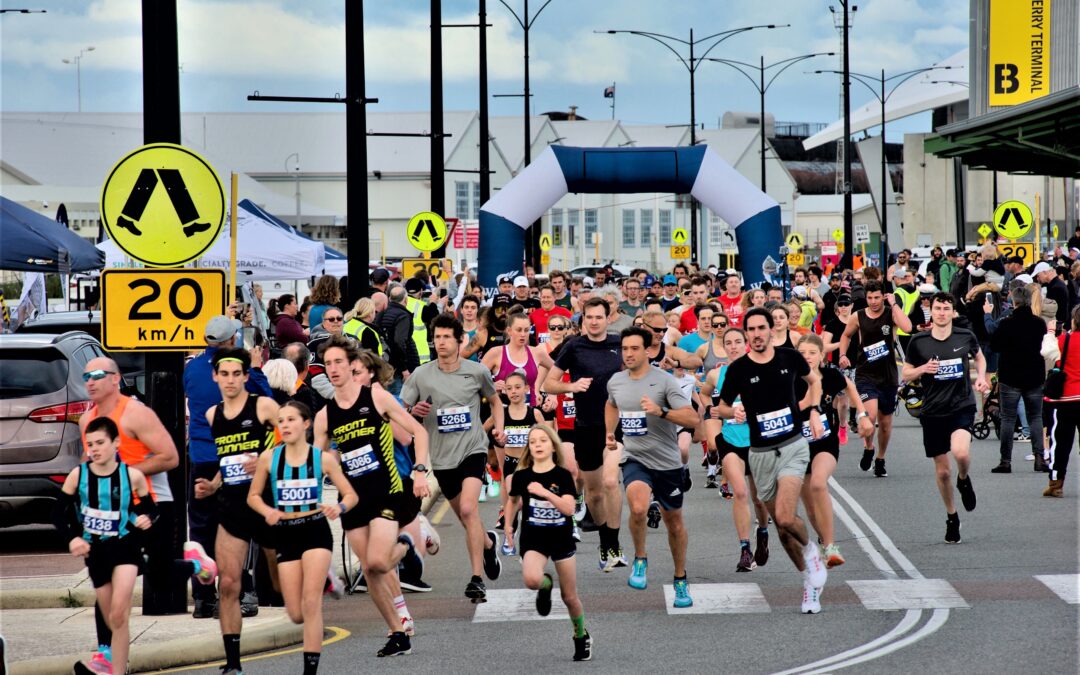
Endurance Sport Injuries: Why They Happen and How to Prevent Them
Why do running, cycling and endurance sport injuries occur? Star Physio physiotherapist Cillian Madden explores training load, previous injuries, technique, recovery and nutrition, with practical advice to help athletes stay healthy and train consistently.

Meet Cillian Madden – Physiotherapist at Star Physio West Perth & Mosman Park
Meet Cillian Madden, physiotherapist at Star Physio West Perth and Mosman Park. Cillian treats pain and musculoskeletal injuries, with a strong background in rehabilitation and particular interests in running, cycling, volleyball and lacrosse.
