

Ozempic Isn’t the Whole Story: Why Nutrition and a Dietitian Still Matter
These days, it feels like everyone knows someone who has lost a dramatic amount of weight—seemingly overnight. Maybe it’s Ozempic®, Wegovy®, Saxenda®, or Mounjaro®. These weight-loss injectables are dominating health conversations across Australia.
Originally developed for type 2 diabetes, these GLP-1 receptor agonists are now widely prescribed for weight management. And yes—they’re powerful tools. By suppressing appetite, slowing digestion, and improving insulin sensitivity, they can deliver impressive results. For example, clinical trials show average weight loss of around 15% over 12–18 months.
However, without the right Ozempic nutrition support and guidance from a dietitian, the story isn’t always as healthy as it seems.
Why Ozempic Nutrition Matters
Ozempic can drive rapid weight loss, but weight loss does not always equal better health. In fact, without professional dietitian support, common problems include:
-
Loss of lean muscle mass
-
Reduced bone density
-
Lower energy levels
-
Nutrient deficiencies
-
Poor training or exercise performance
-
Increased risk of weight regain
Therefore, a tailored Ozempic nutrition plan designed by a dietitian is essential to protect long-term health.
 How GLP-1 Medications Work
GLP-1 medications like Ozempic mimic a natural hormone that regulates appetite and digestion. They:
-
Suppress hunger: activating satiety centres in the brain
-
Slow stomach emptying: keeping food in the stomach longer and reducing glucose spikes
-
Improve insulin sensitivity: stabilising blood sugar levels
As a result, they reduce calorie intake and promote weight loss. However, they can also cause side effects such as nausea, reflux, bloating, and constipation. Fortunately, many of these can be managed with dietitian-guided Ozempic nutrition strategies.
Muscle Loss Without Ozempic Nutrition Support
Weight loss from GLP-1 injectables isn’t always fat loss. Research shows that up to 25–40% of total weight lost can come from lean muscle when Ozempic nutrition is not managed properly.
This happens because reduced appetite often leads to lower protein intake. Consequently, without enough protein and resistance training, the body begins breaking down muscle to meet energy needs.
Importantly, muscle isn’t just for strength. It supports metabolism, posture, bone health, and immunity. In summary, losing it makes weight regain more likely and increases the risk of frailty and injury.
Nutrient Deficiencies Are Common
Because Ozempic suppresses appetite, people often eat less overall. As a result, nutrient intake can drop too low. For example, deficiencies frequently occur in:
-
Iron
-
Calcium
-
Vitamin D
-
Magnesium
-
B vitamins
A 2025 study found that GLP-1 users often fail to meet vitamin D, magnesium, and iron requirements. Therefore, working with a dietitian ensures gaps are corrected through food choices or supplements.
Bone Health and Ozempic
Rapid weight loss also impacts bone strength. A 2024 study showed significant bone mineral density (BMD) loss in adults using GLP-1 medications without dietitian-led nutrition or exercise support.
This happens because:
-
Reduced loading: less body weight and muscle means less bone stimulation
-
Lower nutrient intake: calcium, vitamin D, and protein are often inadequate
-
Hormonal shifts: GLP-1s may affect bone turnover, further tipping the balance
Moreover, women are especially vulnerable during and after menopause, when bone loss naturally accelerates. Therefore, an Ozempic nutrition plan that includes strength training and adequate nutrients is critical.
What Happens When You Stop Ozempic
Once you stop taking Ozempic, appetite returns. If long-term nutrition habits were not built, weight regain is very likely.
In addition, muscle loss may reduce resting metabolic rate, making it harder to maintain results. A 2024 review confirmed that weight regain is common, especially without ongoing dietitian and lifestyle support.
On the other hand, patients who build sustainable eating and exercise habits with a dietitian are more likely to maintain weight loss successfully.
Why Work With a Dietitian for Ozempic Nutrition?
An Accredited Practising Dietitian (APD) can help you:
-
Preserve lean muscle with protein strategies
-
Prevent nutrient deficiencies with tailored food planning
-
Manage side effects through hydration and smart eating
-
Protect bone density with diet and resistance training
-
Build sustainable habits that last beyond injections
In short, Ozempic works best when paired with a personalised nutrition plan from a dietitian.
Take the Next Step With Star Physio WA
If you’re using—or considering—weight loss injections, professional nutrition support is essential.
You can read more about getting the best dietitian and clinical nutrition advice at Star Physio here!
👉 Let our dietitians help you make your Ozempic journey safe, effective, and sustainable.
References
- Wilding JPH et al. (2021). Once-Weekly Semaglutide in Adults with Overweight or Obesity. New England Journal of Medicine, 384:989–1002.
- Moiz et al. (2025). Mechanisms of GLP-1 RA-Induced Weight Loss. American Journal of Medicine, 138(6), 934–940.
- Johnson B et al. (2025). Investigating Nutrient Intake During GLP-1 Use. Frontiers in Nutrition.
- Suran M. (2023). Semaglutide and Bone Density Considerations. JAMA, 329(19), 1627–1629.
- Ng E et al. (2022). GLP-1RA Therapy in Type 2 Diabetes. Australian Journal of General Practice, 51(7).
- Davis TM. (2020). An Update on GLP-1 Agonists. Endocrinology Today, 9(1):23–25.

Tara West Knows Best – A quick lesson in Jumper’s knee (Patellar tendinopathy)
Patellar tendinopathy (more commonly known as Jumper’s Knee) is an overuse injury of the knee, characterised by pain during loading of the patellar tendon. Patellar tendinopathy is the result of your patellar tendon being overstressed, and is commonly seen in...
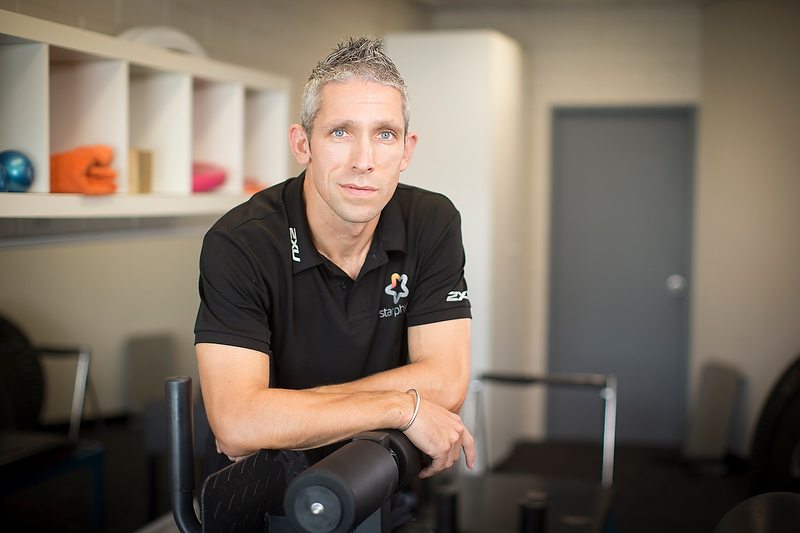
James Debenham and Merv Travers publish their research!
Star Physios James Debenham and Merv Travers have recently published their research into Achilles Tendinopathy, in the Journal of Science and Medicine in Sport. Awesome news! We are certainly very lucky to have such experienced and knowledgable physios working...
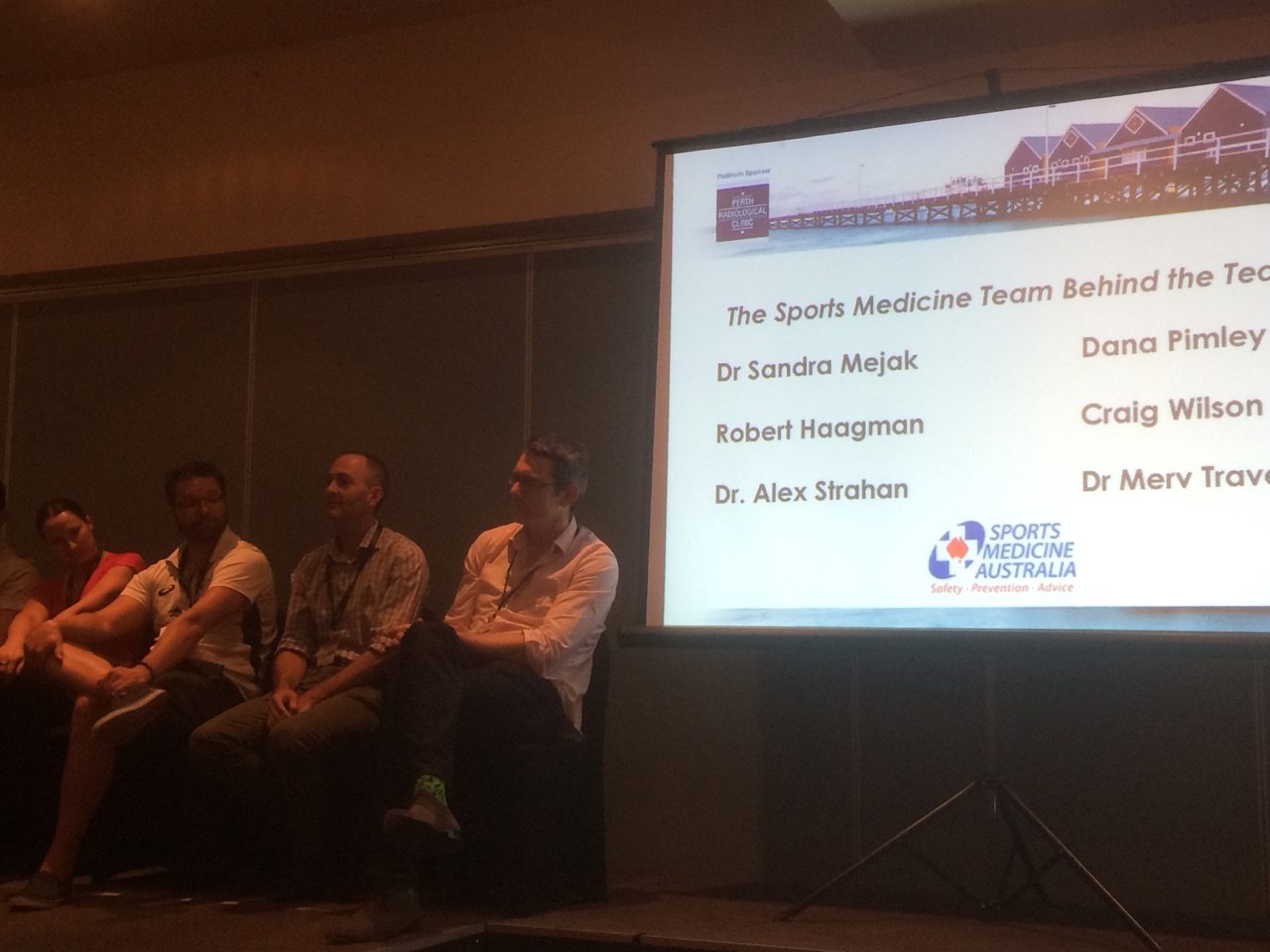
2015 Sports Medicine Australia State Conference a big success!
A big congratulations to Star Physio’s Damian Oldmeadow, Dr Merv Travers (PhD) and James (soon to be Dr!) Debenham who presented at the Sports Medicine Australia State Conference in Busselton this past weekend. These guys were invited to share their knowledge...

Brant Garvey’s Road to Professionalism
Here at Star Physio, we LOVE following para-triathlete Brant Garvey’s journey to qualify for the 2016 Rio Olympics! So you can imagine how excited we were to hear that Brant has just launched a new video series entitled “Road to Professionalism”. Brant explains...
