

By Dr Sam Steel | Podiatrist | Star Physio Perth
As a podiatrist and keen runner who enjoys participating in local events such as the Perth City to Surf, I understand the importance of staying healthy and maintaining consistent training.
Running is one of the most accessible and effective ways to improve cardiovascular fitness, build strength and support your physical and mental health.
Whether you’re training for your first 5 km, preparing for a marathon or simply enjoying a regular run around Perth, staying injury-free is important for maintaining consistency and achieving your goals.
Unfortunately, running injuries are common. They can develop for several reasons, including sudden increases in training, inadequate recovery, muscle weakness, footwear issues and individual running biomechanics.
The good news is that many running injuries can be prevented or their risk reduced with the right preparation and training approach.
As a podiatrist at Star Physio, I regularly assess runners experiencing foot, ankle and lower-limb problems. Here are my six recommendations to help you stay healthy, improve your running and reduce your risk of injury.
What Are the Most Common Running Injuries?
Running places repeated loads through the muscles, tendons, bones and joints of the lower limbs.
While our bodies are designed to adapt to these demands, injuries can develop when training loads exceed our current capacity to recover and adapt.
Some common running injuries include:
- Plantar fasciitis (plantar heel pain): Pain underneath the heel or along the arch of the foot, often noticeable with the first steps in the morning.
- Achilles tendinopathy: Pain and stiffness in the Achilles tendon, particularly during or after running.
- Patellofemoral pain (runner’s knee): Pain around or behind the kneecap, often aggravated by running, stairs or squatting.
- Medial tibial stress syndrome (shin splints): Exercise-related pain along the inner border of the shin.
- Iliotibial band syndrome (ITB syndrome): Pain around the outside of the knee, particularly during repetitive running.
Although these conditions affect different structures, they often share contributing factors such as changes in training load, inadequate recovery and reduced capacity to tolerate repetitive loading.
Understanding these factors is an important part of preventing running injuries.
1. Warm Up Properly Before Running
A good warm-up prepares your muscles, joints and nervous system for the demands of running.
Rather than starting your run at full pace, gradually increase your movement and intensity.
I recommend beginning with a few minutes of easy walking or jogging, followed by some dynamic exercises.
Good examples include:
- Leg swings
- Walking lunges
- High knees
- Heel raises
- Gentle skipping or running drills
These movements help prepare the body for running by gradually increasing muscle temperature, joint movement and neuromuscular activation.
Research suggests that structured warm-up programs can improve physical readiness and may reduce injury risk, although the evidence varies depending on the sport and type of warm-up.
My tip: Start your run at an easy pace and gradually build into your intended training intensity.
Static stretching can be useful for maintaining flexibility where needed, but it isn’t essential before every run, and stretching alone hasn’t been shown to reliably prevent running injuries.
2. Choose the Right Running Shoes
As a podiatrist, footwear is one of the first things I discuss with runners.
Your running shoes play an important role in comfort, performance and how forces are distributed through your feet and lower limbs.
However, there isn’t one perfect running shoe for everyone.
The best option depends on several factors, including:
- Your foot shape and individual biomechanics
- Previous running injuries
- Running experience and training volume
- The surfaces you regularly run on
- Your comfort and personal preferences
Stability Shoes vs Neutral Running Shoes
Stability running shoes are designed to provide additional support and may suit some runners who prefer a more structured shoe.
Neutral running shoes generally allow greater freedom of movement and are available in a wide range of cushioning and support options.
However, having flat feet doesn’t automatically mean you need stability shoes, just as having high arches doesn’t necessarily mean you need neutral shoes.
Comfort, individual biomechanics and injury history are generally more useful considerations than foot shape alone.
At Star Physio, our podiatrists assess more than just foot shape. We consider your running history, footwear, lower-limb strength, foot and ankle function, and any previous injuries.
This helps us recommend footwear and rehabilitation strategies suited to your individual needs rather than relying on generic shoe recommendations.
If you’re unsure which shoes are right for you, a professional running footwear assessment can be particularly useful. You can read more about running shoe recommendations here!
3. Include Strength Training in Your Running Program
Strength training is one of the most valuable additions to a runner’s training program.
Running repeatedly loads the muscles and tendons of the lower limbs, so improving their capacity to tolerate these demands makes sense.
A well-designed strength program can help improve:
- Lower-limb strength
- Running economy
- Muscle and tendon capacity
- Balance and single-leg control
- Overall running performance
Important areas to strengthen include the calf muscles, quadriceps, hamstrings, gluteals and muscles supporting the feet and ankles.
Useful exercises include:
- Calf raises
- Squats
- Lunges
- Step-ups
- Single-leg strengthening exercises
For many runners, two appropriately programmed strength sessions per week can be a useful starting point.
The ideal program will depend on your current fitness, running volume, injury history and training goals. You can read one of our expert articles on strength training here.
How Can RUNFit Running Analysis Help?
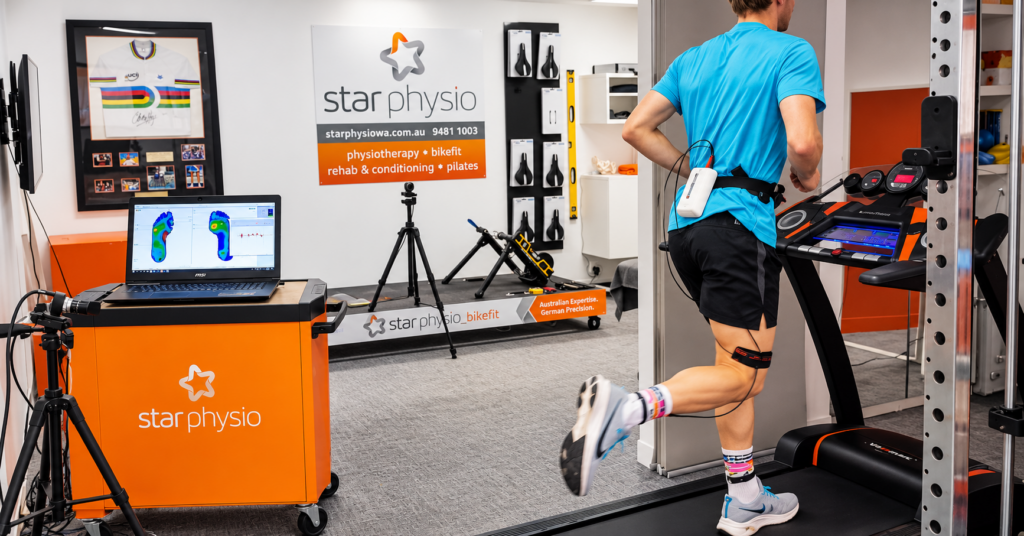
RUNFit running analysis at Star Physio Perth helps assess running biomechanics, movement patterns and factors contributing to running injuries.
At Star Physio, our physiotherapists and podiatrists offer individualised strength and conditioning programs alongside our RUNFit Running Analysis.
RUNFit allows us to assess your running technique, movement patterns and individual goals.
Our RUNFit Running Analysis combines assessment of running biomechanics with individualised recommendations for footwear, training and rehabilitation.
It can be particularly useful for runners experiencing recurring injuries or those wanting to understand how their running technique may influence their symptoms.
While running analysis alone cannot guarantee injury prevention, it can help identify factors worth addressing as part of an individualised rehabilitation or performance program.
Whether you’re returning from injury or looking to improve performance, understanding your individual running biomechanics can be valuable.
4. Listen to Your Body and Allow Time for Recovery
One of the most common mistakes I see runners make is continuing to push through pain without adjusting their training.
While some muscle soreness is normal when starting a new exercise program, persistent or worsening pain shouldn’t be ignored.
Pain can be a sign that your body is struggling to tolerate its current training load.
When Should You Be Concerned About Running Pain?
Consider modifying your running or seeking professional advice if you experience:
- Pain that progressively worsens during a run
- Pain that changes your running technique
- Symptoms that persist or worsen after exercise
- Pain that interferes with everyday activities
- Repeated pain in the same area every time you run
Not every minor ache requires you to stop running completely.
However, understanding the cause of your symptoms and adjusting your training appropriately can help prevent a manageable problem from becoming more significant.
For some injuries, temporarily reducing running volume or intensity may be enough.
Other conditions require a more structured rehabilitation program.
Low-impact activities such as cycling, swimming or other suitable cardiovascular exercise may help maintain fitness while you recover.
My tip: Recovery is part of training. Plan easier days and rest days rather than waiting until pain forces you to stop.
You can read more about some common running and triathlon injuries here!
5. Fuel Your Body for Running and Recovery
Good nutrition is important for running performance, recovery and maintaining healthy muscles and bones.
Runners need adequate energy to support both their training and everyday activities.
A balanced diet should include:
- Carbohydrates: An important energy source for running and endurance exercise.
- Protein: Supports muscle repair, recovery and adaptation to training.
- Healthy fats: Contribute to overall health and normal body function.
- Vitamins and minerals: Including calcium, vitamin D and iron, which are particularly relevant to active individuals.
Hydration is also important, especially when running in Perth’s warmer weather.
One factor runners sometimes overlook is consuming enough total energy to match their training demands.
Consistently under-fuelling can negatively affect recovery, performance and bone health, potentially increasing the risk of bone stress injuries.
At Star Physio, our sports dietitian can provide individualised advice on fuelling for training, competition and recovery. Read one of Donna’s great articles on fuelling for performance here.
6. Increase Your Running Gradually
One of the biggest contributors to running-related overuse injuries is increasing training too quickly.
This is particularly relevant for people starting running for the first time or returning after an extended break.
While your cardiovascular fitness may improve relatively quickly, muscles, tendons and bones also need time to adapt to the repeated loading involved in running.
Suddenly increasing running distance, speed or frequency can exceed your body’s current capacity.
What About the 10% Running Rule?
You may have heard the recommendation to increase running distance by no more than 10% per week.
While this can be a useful general guide for some runners, it isn’t a scientifically established injury-prevention rule that works for everyone.
Some runners may tolerate larger increases, while others need a much more gradual progression.
A better approach is to consider:
- Your recent running history
- Current weekly running distance
- Previous injuries
- Running intensity
- Recovery between sessions
- How your body responds to training
For beginners, alternating walking and running can be an excellent way to build fitness gradually.
More experienced runners should consider the combined demands of long runs, interval training, hills and other higher-intensity sessions.
My tip: Consistency is more valuable than making large improvements in a single week.
Gradually building your running capacity gives you a better opportunity to adapt and maintain training over the long term.
Can a Podiatrist Help Prevent Running Injuries?
Podiatrists play an important role in assessing and managing running-related foot, ankle and lower-limb problems.
At Star Physio, we look beyond the painful area to consider the factors contributing to your symptoms.
Depending on your individual needs, this may include:
- Foot and ankle assessment
- Running footwear advice
- Running biomechanics assessment
- Strength and conditioning recommendations
- Training load modification
- Rehabilitation of foot and ankle injuries
- Orthotic assessment where appropriate
We also work closely with our physiotherapy team to provide coordinated care for runners with more complex injuries or rehabilitation needs.
Frequently Asked Questions About Running Injuries
What is the best way to prevent running injuries?
The best approach is to build your running gradually, include regular strength training, wear comfortable and appropriate running shoes, and allow enough recovery between sessions.
Managing your training load is particularly important when starting running or returning after an injury.
Do running shoes prevent injuries?
Appropriate running shoes can improve comfort and may help some runners manage particular injuries.
However, no single type of running shoe has been proven to prevent injuries for everyone.
Footwear selection should consider comfort, running history, individual biomechanics and previous injuries.
Should I stop running if I have pain?
Not necessarily. Some minor discomfort can be managed by adjusting your running volume or intensity.
However, pain that worsens during running, changes your technique or persists after exercise should be assessed.
Severe focal bone pain or difficulty bearing weight warrants prompt medical assessment.
Keep Running Strong with Star Physio
Running should be enjoyable, rewarding and sustainable.
While not every injury can be prevented, choosing appropriate footwear, improving strength, managing training loads and allowing adequate recovery can help reduce your risk.
Whether you’re just starting your running journey or preparing for your next event, taking the time to build a solid foundation can make a significant difference.
If you’re experiencing running-related foot or ankle pain, unsure about your footwear or interested in a professional running assessment, we’re here to help.
Book an appointment with Dr Sam Steel or the Star Physio team at West Perth or Mosman Park for individualised running and injury prevention advice.

Sam Steel is a Podiatrist at Star Physio WA in Mosman Park, Perth. He provides general and sports podiatry services, specialising in lower limb biomechanics, running injuries, foot and ankle pain, custom orthotics, shockwave therapy and toenail surgery.
About the Author – Dr Sam Steel
Dr Sam Steel is a podiatrist at Star Physio, providing assessment and treatment of foot, ankle and lower-limb conditions.
Sam has a particular interest in running footwear, biomechanics and helping people remain active through appropriate injury management and rehabilitation.
He works alongside Star Physio’s physiotherapists to provide coordinated care for runners and active individuals.
References
- Fradkin AJ, Gabbe BJ, Cameron PA. (2006). Does warming up prevent injury in sport? The evidence from randomised controlled trials. Journal of Science and Medicine in Sport, 9(3), 214–220. DOI: 10.1016/j.jsams.2006.03.026.
- Sople D, Wilcox RB III. (2024). Dynamic warm-ups play a pivotal role in athletic performance and injury prevention. Arthroscopy, Sports Medicine, and Rehabilitation.
- Malisoux L, Chambon N, Delattre N, Guéguen N, Urhausen A, Theisen D. (2016). Injury risk in runners using standard or motion control shoes: a randomised controlled trial with participant and assessor blinding. British Journal of Sports Medicine, 50(8), 481–487. DOI: 10.1136/bjsports-2015-095031.
- Blagrove RC, Howatson G, Hayes PR. (2018). Effects of Strength Training on the Physiological Determinants of Middle- and Long-Distance Running Performance: A Systematic Review. Sports Medicine, 48, 1117–1149. DOI: 10.1007/s40279-017-0835-7.
- Nielsen RO, Parner ET, Nohr EA, Sørensen H, Lind M, Rasmussen S. (2014). Excessive progression in weekly running distance and risk of running-related injuries: an association which varies according to type of injury. Journal of Orthopaedic & Sports Physical Therapy, 44(10), 739–747. DOI: 10.2519/jospt.2014.5164.
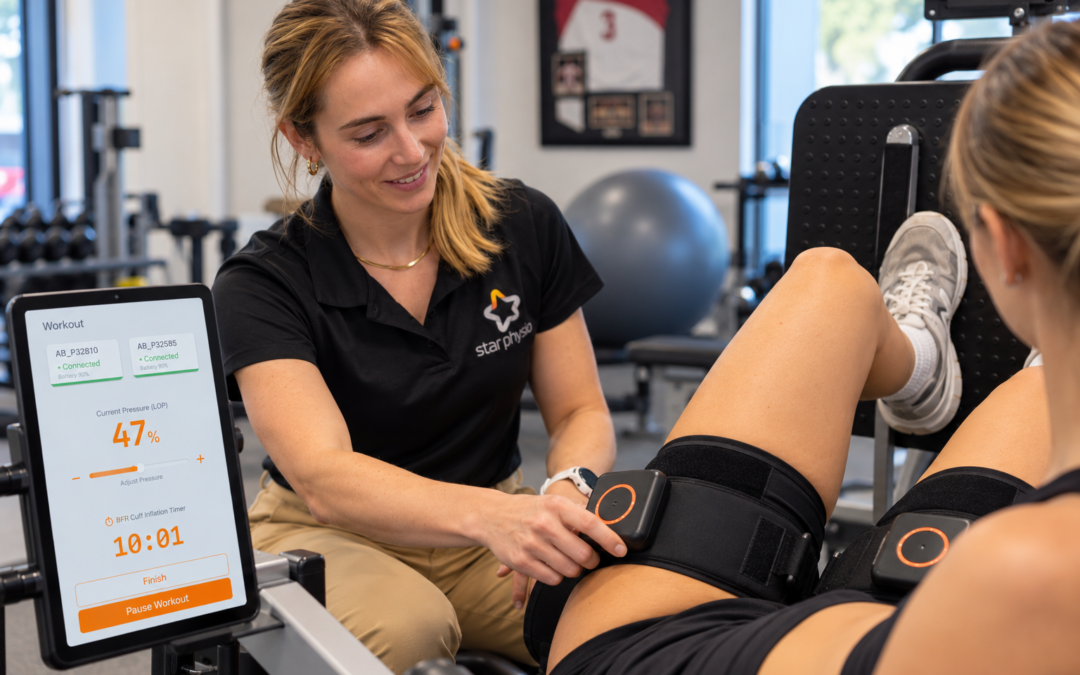
Blood Flow Restriction Training: Big Gains From Light Loads
By Amy Ross | Physiotherapist & Exercise Scientist | Star Physio Perth Have you been told you need to get stronger to recover from an injury, but heavy weights aren't an option right now? Perhaps you're recovering from knee surgery, managing a painful joint or...
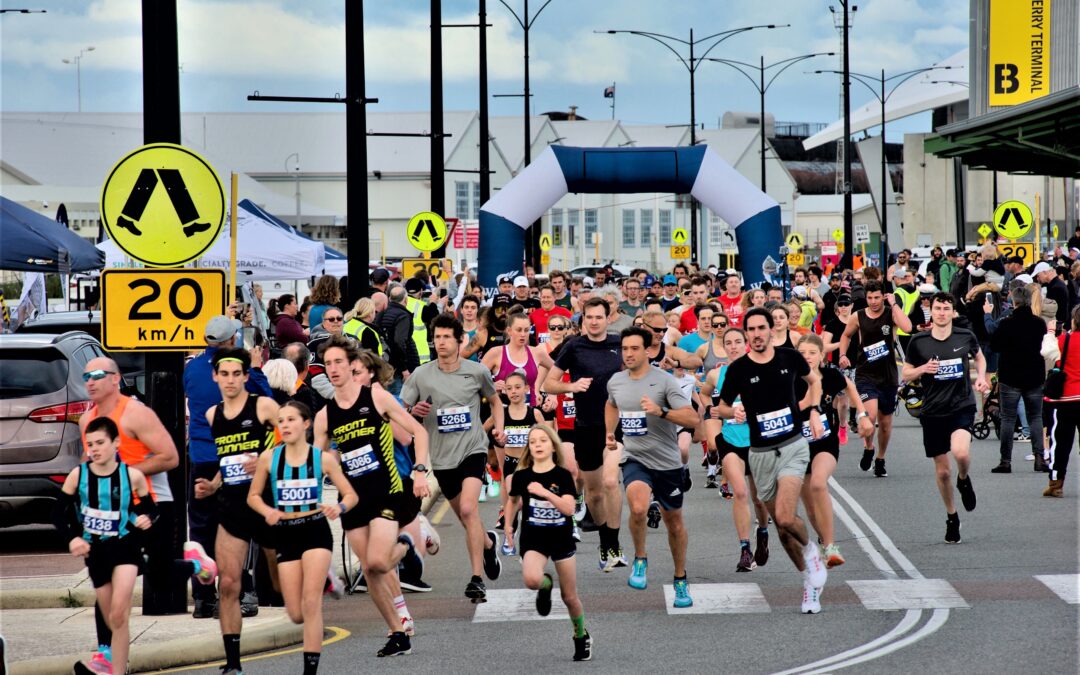
Endurance Sport Injuries: Why They Happen and How to Prevent Them
Why do running, cycling and endurance sport injuries occur? Star Physio physiotherapist Cillian Madden explores training load, previous injuries, technique, recovery and nutrition, with practical advice to help athletes stay healthy and train consistently.

Meet Cillian Madden – Physiotherapist at Star Physio West Perth & Mosman Park
Meet Cillian Madden, physiotherapist at Star Physio West Perth and Mosman Park. Cillian treats pain and musculoskeletal injuries, with a strong background in rehabilitation and particular interests in running, cycling, volleyball and lacrosse.

Bikefit Perth – International Bikefit Conference
Star Physio physiotherapist James Lewin recently attended the International Bike Fitting Institute Global Conference at Silverstone in the UK, bringing the latest international bikefit research and technology back to Perth cyclists.
