

Are You Getting Enough?
Essential Sports Nutrition and Diet Tips.
Athletes and active teens with high training loads have increased nutritional needs. Working with a Clinical Nutritionist or sports dietitian can help ensure you’re fuelling your body for performance, recovery, growth, and health.
Read more about Star Physio’s expert nutrition team here!
One of the most important things you can do is match your energy intake to your energy output. That means fuelling for training, competition, recovery, school, and daily life. Without enough energy, you’re at risk of Low Energy Availability (LEA), illness, injury, and poor performance.
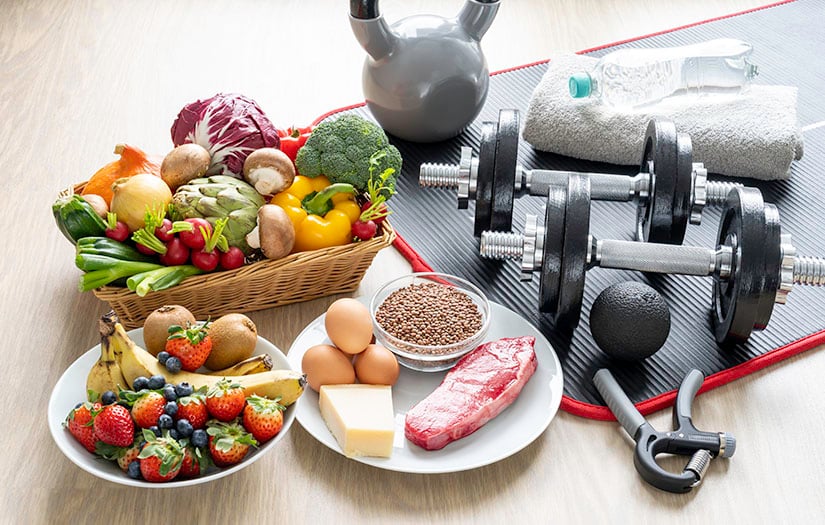
Common Nutrient Deficiencies in Active Teens & Athletes
Here are some key nutrients that athletes may fall short on:
1. Protein
-
Vital for muscle repair, growth, and bone health.
-
Also supports immune function and enzyme production.
-
Aim for ~30g per meal, especially at breakfast, snacks, and within an hour after training.
-
Sources: Chicken, turkey, beef, fish, eggs, dairy, tofu, edamame.
2. Iron
-
Needed to make haemoglobin, which carries oxygen to your muscles and brain.
-
Deficiency = fatigue and poor performance.
-
Requirements:
-
Females 14–18 years: 15mg/day
-
Males 14–18 years: 11mg/day
-
-
Heme iron sources: Liver, red meat, dark poultry, mussels, oysters, sardines, eggs.
-
Non-heme sources: Tofu, lentils, beans, leafy greens, wholegrains, cacao, cashews, dried apricots.
-
Tip: Pair iron-rich foods with vitamin C to increase absorption. Avoid excess caffeine or tea around iron-rich meals.
3. Calcium
-
Crucial for bone strength, muscle function, hormones, and nerve signals.
-
Requirement for 12–18-year-olds: 1300mg/day
-
Sources:
-
Sardines (382mg/100g)
-
Milk (300mg/cup)
-
Firm tofu (300mg/150g)
-
Chia seeds (200mg/30g)
-
Yoghurt (150mg/150g)
-
Cottage cheese (120mg/150g)
-
Unhulled tahini, almonds
-
4. Omega-3 Fatty Acids
-
Supports brain health, learning, mood, and helps reduce muscle and joint inflammation.
-
Recommended intake: 1.5–3g/day
-
Sources:
-
Oily fish (e.g. salmon, mackerel, sardines)
-
Chia seeds, flaxseeds, walnuts
-
Consider a fish oil supplement if needed
-
Should You Get a Blood Test?
If you’re training heavily (e.g. twice daily), consider visiting our Clinical Nutritionist Jemma Watson for specific blood tests. These may include:
-
Iron studies
-
Vitamin D
-
PTH (Parathyroid Hormone) for bone health
This information can help your sports nutritionist or sports dietitian tailor a nutrition plan to your needs.
Need Help with Your Sports Nutrition?
Getting your sports nutrition right takes time, structure, and individual guidance. A sports dietitian can help you build a flexible, balanced diet that supports performance, recovery, and long-term health.
Book an appointment with our experienced Clinical Nutritionist or Sports Dietitian at Star Physio today and get the support you need to fuel your best.
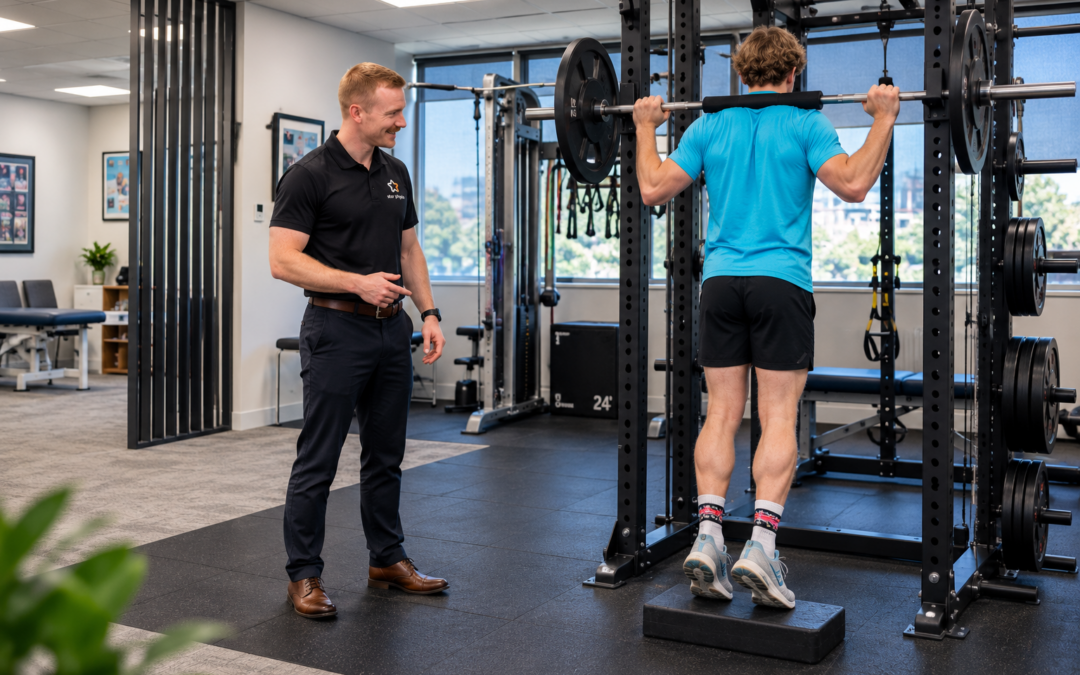
Achilles Tendon Pain in Runners: Causes, Treatment and Return to Running
Achilles tendon pain affecting your running? Star Physio physiotherapist Cillian Madden explains the causes of Achilles tendinopathy, effective rehabilitation exercises and how to return to running safely. Discover when to modify training, how to build tendon strength and when to seek professional advice.
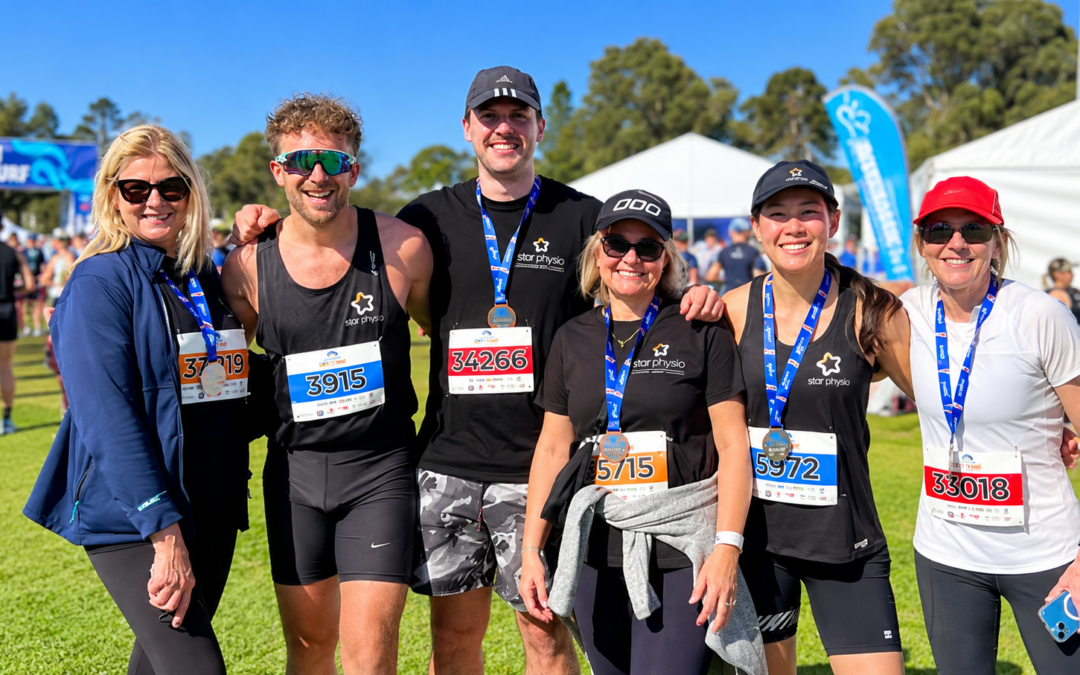
6 Tips to Prevent Running Injuries
Want to stay injury-free while running? Star Physio podiatrist Dr Sam Steel shares six practical tips to help prevent running injuries, including choosing the right running shoes, strength training, warming up, managing training loads and allowing adequate recovery.
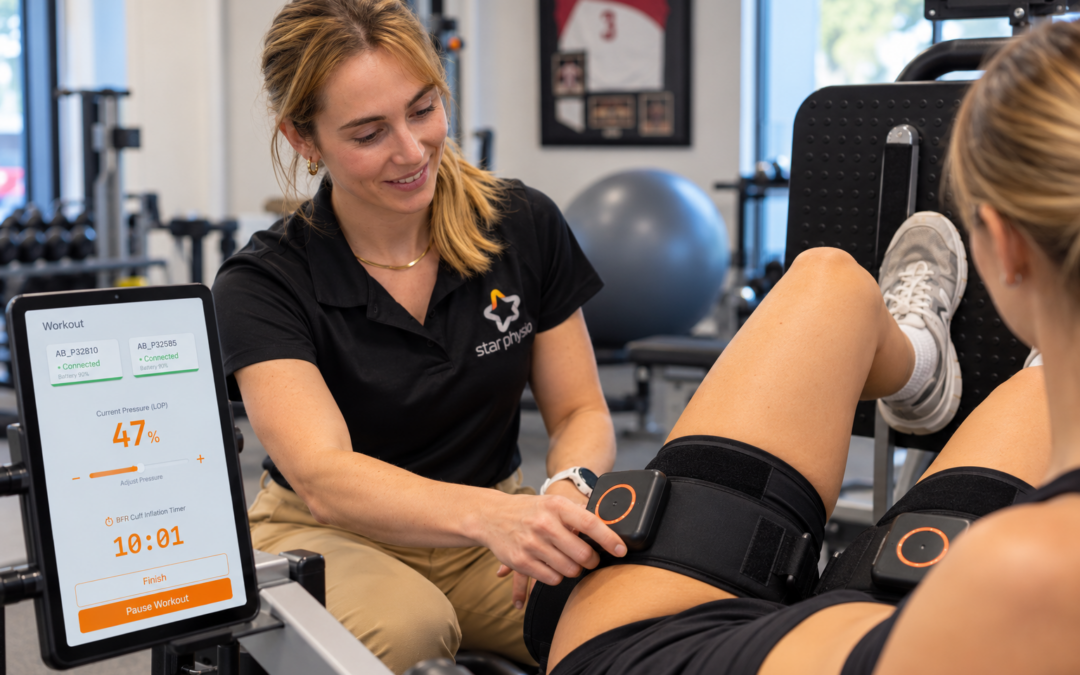
Blood Flow Restriction Training: Big Gains From Light Loads
By Amy Ross | Physiotherapist & Exercise Scientist | Star Physio Perth Have you been told you need to get stronger to recover from an injury, but heavy weights aren't an option right now? Perhaps you're recovering from knee surgery, managing a painful joint or...
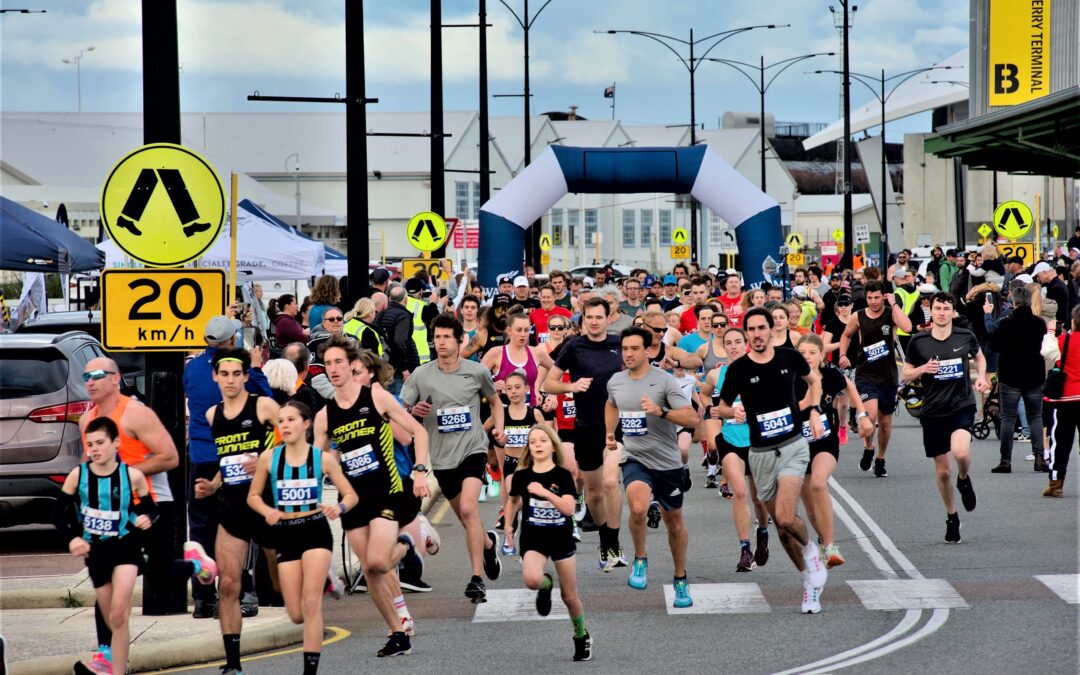
Endurance Sport Injuries: Why They Happen and How to Prevent Them
Why do running, cycling and endurance sport injuries occur? Star Physio physiotherapist Cillian Madden explores training load, previous injuries, technique, recovery and nutrition, with practical advice to help athletes stay healthy and train consistently.
