
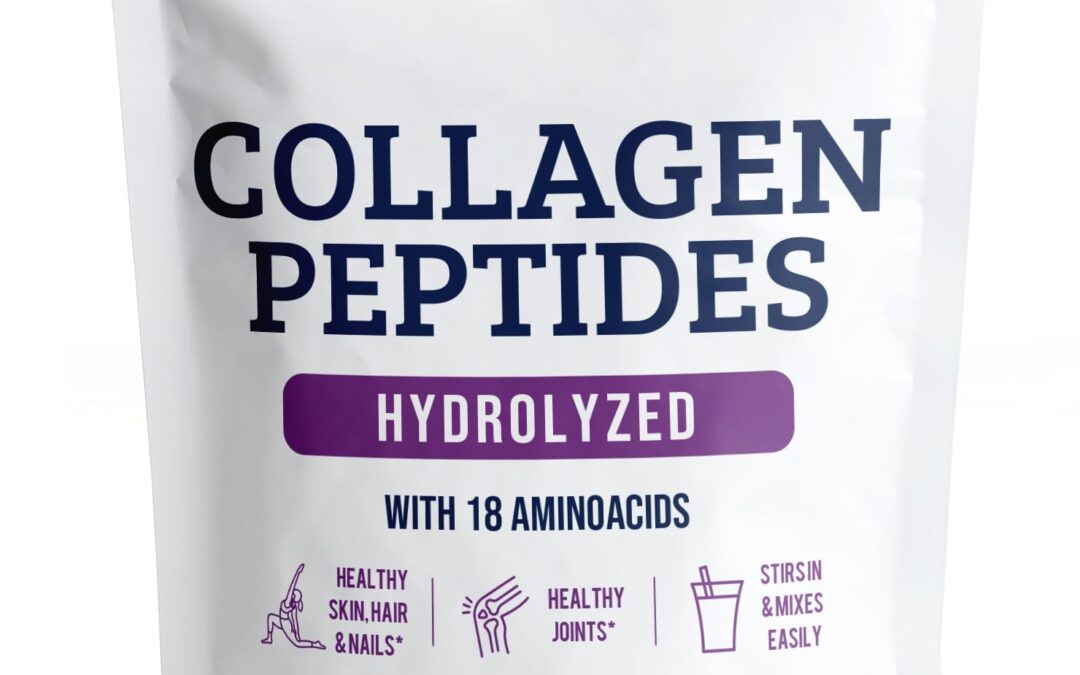
Is collagen your rehab MVP?
Collagen is everywhere on your social feeds with powders, pills, gummies and more — but can it speed up your rehab?
Donna Kimpton is an accredited practising dietitian (APD) who works with the team at Star Physio to help patients and athletes smash their recovery goals! Read Donna’s expert advice on protein and collagen to get the most out of your rehabilitation and training!
“Too often I see athletes struggling to make meaningful rehab progress. Not because they aren’t putting in the work, but because nutrition isn’t being considered as part of their recovery plan. Rehab isn’t just reps and rest, it’s a fuel-driven process. In this guide, we’ll separate trend from truth and map out the nutrition strategies (yes, collagen included) that drive real tissue repair.”

Donna Kimpton. Star Physio Dietitian.
Protein: The Foundation of Muscle Repair
Injury often involves muscle damage, inflammation, and tissue breakdown. Protein is essential for rebuilding muscle fibres and supporting immune function during recovery.
Donna’s top tips for protein intake!
- Aim for 1.6–2.2g of protein per kg of body weight per day—especially if you’re training around your injury or doing rehab exercises.
- Include high-quality sources like lean meat, fish, chicken, eggs, dairy, tofu, and legumes.
- Both plant and animal proteins can support recovery, provided total intake is adequate.
A note around timing and distribution of protein
Recent studies have shown that total daily protein intake is far more important for muscle growth than the precise timing of consumption. A 2025 systematic review found no significant difference in lean body mass gains whether protein was consumed before or after workouts. Experts now emphasise that hitting your daily protein target is the key driver of hypertrophy, not when you eat it.
While timing isn’t critical, strategic distribution can still offer benefits depending on your individual goals:
- It may help maintain a more consistent anabolic environment.
- It can support satiety and energy levels throughout the day.
- It is especially useful for older adults, who may have a blunted MPS response and benefit from evenly spaced protein doses.
- If you’re supplementing with collagen during injury rehab, then the timing of intake is important. More on this below.
Carbohydrates: Fuel for Healing
Carbs aren’t just for performance, they’re vital for recovery. They replenish glycogen stores, reduce muscle breakdown, and support immune health.
Best Carbohydrate Principles.
- Consume 1.0–1.2g of carbs per kg of body weight within the first hour post-exercise or rehab session.
- Focus on whole grains, fruits, starchy vegetables, and legumes.
- For longer rehab sessions or light training, you may need to include quick-release carbs like bananas or sports drinks.
Healthy Fats for Hormonal Health & Inflammation Control
Healthy fats support hormone production, reduce inflammation, and aid in vitamin absorption—critical for healing.
- Include omega-3-rich foods like salmon, walnuts, flaxseeds, and chia seeds.
- Omega-3s have been shown to reduce inflammation and support joint health
Hydration & Electrolytes
Dehydration can impair tissue healing and increase fatigue. Electrolytes like sodium, potassium, and magnesium are essential for muscle function and recovery.
- Sip fluids throughout the day—not just during rehab.
- Use electrolyte drinks if you’re sweating heavily or training in heat.
- Monitor fluid loss by weighing yourself before and after sessions.
Micronutrients
Vitamins and minerals like vitamin D, calcium, magnesium, zinc and iron play key roles in bone health, immune function, and tissue repair.
If you’re undergoing rehab—especially for a bony stress injury—getting your nutrition bloods checked is essential. Test for vitamin D, iron, and B12 at a minimum. This can be done via our clinical nutrition program or you can ask your GP.
These nutrients are deeply involved in bone healing:
- Vitamin D helps regulate calcium and phosphorus absorption, both critical for bone mineralization. Deficiency is linked to increased fracture risk and impaired healing.
- Iron is a co-factor in the activation of vitamin D and supports oxygen transport to healing tissues.
- Vitamin B12 plays a protective role in bone health by supporting osteoblast activity and regulating homocysteine levels, which are associated with fracture risk.
Low levels of any of these can slow recovery and compromise bone integrity. Testing early allows for targeted supplementation and better rehab outcomes.
Rehabilitation at Star Physio
Underfueling During Rehab: A Common Pitfall
It’s common for athletes to cut back on food during rehab, thinking that reduced training equals reduced nutritional needs. Recovery and rehabilitation is not a time to under fuel! Your body’s energy demands remain high due to the intense physiological work of tissue regeneration, immune activation, and rehab-specific training. Falling short on nutrition during rehab can delay healing, accelerate muscle loss, and prolong inflammation, ultimately slowing your return to sport.
Optimise your fuel intake!
Low energy availability—a state where dietary intake doesn’t meet the body’s needs—has been linked to impaired healing and increased risk of re-injury, particularly in endurance athletes. If you’re recovering from a bony stress injury, it’s likely that underfueling played a role in its development. Seeking guidance from an Accredited Practising Dietitian is crucial not only for healing but also for preventing future injuries.
On the flip side, weight gain during rehab can be a concern, especially when activity levels drop but appetite remains high or emotional eating kicks in. Navigating this delicate balance between fuelling recovery and managing body composition is complex—and expert support is highly recommended.
Collagen: Your Rehab MVP?
Collagen is the primary protein that gives structure and strength to connective tissues like tendons, ligaments, cartilage, and bone. During rehabilitation, supplementing with collagen—especially alongside vitamin C—can support tissue repair and potentially accelerate recovery. Because tendons and ligaments regenerate slowly and have limited blood supply, they respond best to strategically timed nutritional support that targets their unique healing needs.
Best Practice Use In Rehabilitation.
Research shows that consuming 15 grams of hydrolysed Type I collagen peptides with ~50 mg of vitamin C, 30–60 minutes before rehab exercises, can significantly enhance collagen synthesis and improve joint function. This protocol ensures peak amino acid availability during mechanical loading, when connective tissues are most receptive to repair.
So yes, collagen can absolutely support your rehab, but think of it as the icing on the cake, not the cake itself! If you’re not consistently following a structured, physiotherapist-prescribed strength program, meeting your total energy needs, distributing your macronutrients appropriately, and addressing the underlying cause of your injury, then there’s no cake to ice. Collagen works best when layered on top of a solid foundation of rehab fundamentals. Without that base, even the most perfectly timed supplement won’t move the needle.
Final Thoughts: Nutrition Is Your Rehab Partner
Recovery isn’t passive—it’s an active process. And nutrition is your secret weapon. Whether you’re nursing a stress fracture, rehabbing a tendon, or managing chronic inflammation, the right fuelling strategy can make all the difference.
Ready to Recover Smarter?
If you’re navigating injury rehab, book in to see Donna (APD) at our Mosman Park clinic. Together, we’ll build a personalised nutrition plan that supports your recovery and gets you back to doing what you love—faster and stronger.
References
- Giraldo-Vallejo, J.E., et al. (2023). Nutritional Strategies in the Rehabilitation of Musculoskeletal Injuries in Athletes: A Systematic Integrative Review. Nutrients, 15(4), 819. Read the full article
- Knappenberger, K. (2023). Nutrition for Injury Recovery & Rehabilitation. National Athletic Trainers’ Association. Download the guide
- Morton, R.W., et al. (2025). Protein Intake and Muscle Protein Synthesis in Athletes During Injury Recovery. Medicine & Science in Sports & Exercise, 57(2), 215–229.
- Baar, K. (2022). Using Collagen Supplementation to Improve Tendon and Ligament Health. Journal of Applied Physiology, 132(3), 567–574.
- Mountjoy, M., et al. (2023). Low Energy Availability and Its Impact on Injury Risk in Endurance Athletes. British Journal of Sports Medicine, 57(1), 12–19.
- University of South Australia (2024). Post-Training Nutrition and Injury Risk in Female Endurance Athletes. Sports Nutrition Research Brief.
Running Injury Prevention
Running Injury Prevention Expert tips from Star Podiatrist Dr Sam Steel. Running is one of the most popular and easily accessible forms of exercise. It offers numerous physical and mental health benefits from improvements in cardiovascular fitness to stress relief....
Volleyball Back Pain
Volleyball Back Pain and the Best Volleyball Physiotherapy in Perth If you’re a volleyball athlete struggling with volleyball back pain, you’re not alone. In fact, low back tightness, fatigue, and pain are among the most common issues in both junior and national...
winter cycling indoor
TOP INDOOR CYCLING TIPS FOR WINTER By Star Physio. Experts in bikefit and cycling injuries. Heading into the colder months, many of us will resort to cycle training on the stationary bike aka ‘the turbo’. Changing to this setup has a range of benefits. Read below...
Back Pain MRI
MRI for back pain: What Your MRI Isn’t Telling You! Star Physio are experts in lower back and neck pain. Our experts are available at Star Physio West Perth and Mosman Park offices. Have you recently had an MRI of your spine that returned a jumble of unfamiliar and...
