
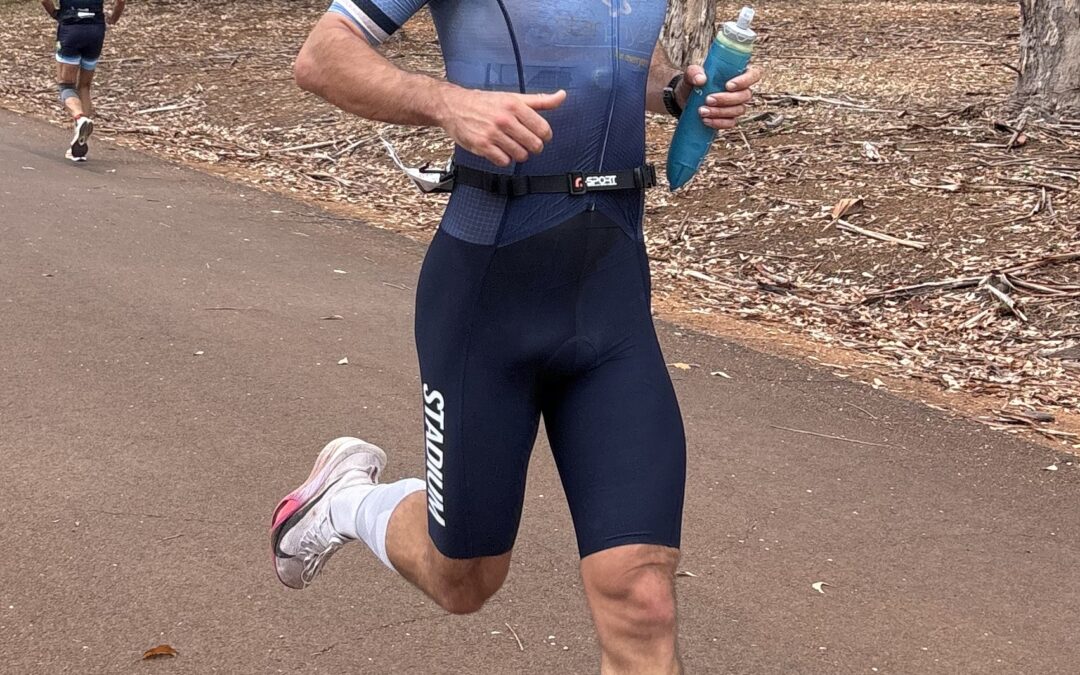
Common Triathlon Injuries (And How to Avoid Them)
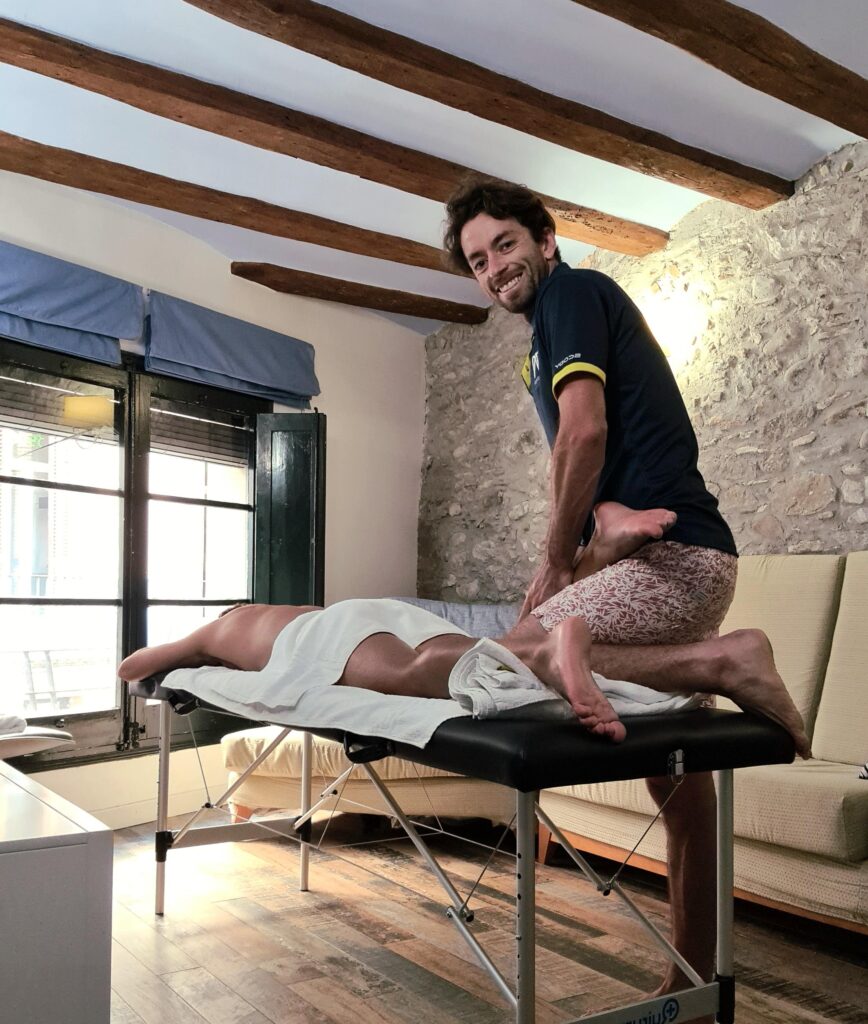
James Lewin on Tour With Triathlon Australia
Triathlon combines swimming, cycling and running into one continuous effort. While this builds excellent endurance, it also creates high training loads and repetitive stress on the body.
Because of this, triathletes are particularly prone to overuse injuries.
Understanding the most common triathlon injuries — and how to prevent them — is essential for maintaining consistency, improving performance and staying healthy throughout your training and racing season.
The Star Physio Team includes physiotherapists with experience working with Triathlon Australia, Triathlon WA and Ironman events.
Why Triathletes Get Injured
-
Triathlon injuries are rarely caused by a single event. More often, they result from a combination of:
- high training volume
- cumulative fatigue across disciplines
- rapid increases in load
- poor transition mechanics (bike to run)
- breakdown in technique under fatigue
Many athletes are strong and well-conditioned, but still develop injuries because their body cannot tolerate or respond quickly enough to the demands placed on it.
Common Triathlon Injuries
Running places the highest impact load on the body and is the most common source of injury.
- Achilles tendinopathy
- calf strains and overload
- patellofemoral (kneecap) pain
- plantar fascia irritation
Cycling-Related Injuries
Cycling is lower impact, but high volume can lead to overload issues.
- lower back pain
- hip tightness or impingement
- saddle discomfort
- knee pain
If your bike position is not optimal, these issues can persist despite good strength and mobility.
Swimming-Related Injuries
Swimming injuries are often technique-driven and load-related.
- shoulder impingement
- rotator cuff overload
- upper back tightness
The Missing Link: Strength Is Not Enough
Many triathletes include strength training in their program. This is essential — but often incomplete.
A key factor in both injury prevention and performance is how quickly your body can produce force, not just how much force you can produce.
This is known as rate of force development (RFD).
You can read more about this in our detailed article on strength training rehabilitation and rate of force development.
Without this ability, the body may struggle to:
- stabilise joints quickly
- absorb load effectively
- maintain efficiency under fatigue
This is often where injuries develop.
How to Prevent Triathlon Injuries
-
1. Manage Training Load Properly
Avoid sudden spikes in volume or intensity. Consistency is more important than short-term increases.
2. Build Strength — Then Build Speed
Strength training should include:
- heavy strength work
- AND explosive, intent-based movement
3. Optimise Running Mechanics
Small inefficiencies in running can lead to repeated overload.
Learn more about our running physio page
4. Ensure Proper Bike Setup
Bike position plays a major role in comfort and injury prevention.
Explore our bikefit options here!
5. Support Recovery and Nutrition
Fatigue increases injury risk.
Our expert sports dietitian can help optimise fuelling and recovery.
When Should You See a Physiotherapist?
You should seek assessment if you experience:
- persistent pain
- reduced performance
- recurring tightness or fatigue
- difficulty progressing training
Early intervention can prevent minor issues becoming long-term problems.
Triathlon Physiotherapy in Perth
For a comprehensive approach to injury prevention and performance, see our triathlon physiotherapy in Perth service.
We combine:
- strength and conditioning
- running analysis
- bikefit integration
- load management
to help you train consistently and perform at your best.
Final Takeaway
Triathlon injuries are common — but they are not inevitable.
With the right approach to:
- training load
- strength
- movement
- recovery
you can significantly reduce your risk and improve performance.
Want Help Staying Injury-Free?
If you are training for triathlon and want to reduce injury risk or improve performance, book a consultation with the team at Star Physio.

Cycling Saddle Pain: How to Improve Saddle Comfort
Cycling Saddle Pain: Top Tips for Improving Saddle Comfort Saddle pain is one of the most common problems cyclists experience. Many riders assume discomfort is simply part of cycling — but saddle pain is usually a sign that something in your bike setup is not working...

Meet Amy Ross-Star Physiotherapist
Meet Amy Ross | Physiotherapist in Perth at Star Physio WA We’re excited to introduce Amy Ross, physiotherapist at Star Physio WA in West Perth. Amy joins our team as a physiotherapist in Perth with a strong foundation in sports performance, musculoskeletal...
women’s strength training
Women’s Strength Training: A New Era of Confidence, Performance & Longevity Women’s strength training is entering a powerful new era. Across all ages, women are lifting weights, joining run clubs, playing sport, and prioritising physical health with confidence and...
GLP-1 medications peri-menopause
The Hidden Risks of GLP-1 Medications in Peri-Menopausal Women Why nutrition and strength training matter more than the number on the scales GLP-1 receptor agonists such as semaglutide (Ozempic, Wegovy) and tirzepatide (Mounjaro) have changed the landscape of...
