

Triathlon Nutrition Perth: 5 Smart Off-Season Nutrition Strategies for Triathletes
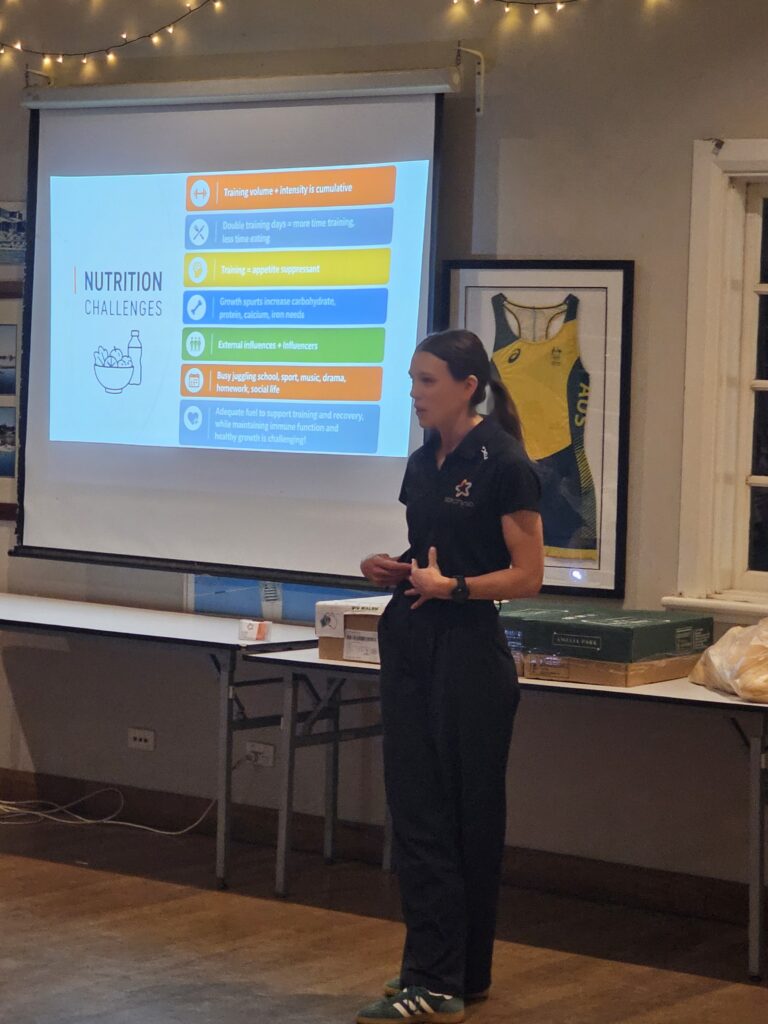
Sports dietitian and endurance athlete Donna Kimpton helps Perth triathletes optimise fuelling, recovery and performance
The Busselton Festival of Triathlon has wrapped up for another year and, for many WA triathletes, this marks the end of another long season of training, racing and carefully planned fuelling.
Months of early mornings, long rides, race simulations, gels, sports drinks, caffeine and structured nutrition plans have all led to this point.
Now comes a critical—but often overlooked—phase of performance.
The off-season.
While it can be tempting to either keep pushing hard or switch off completely, the off-season is one of the most important nutrition periods of the year.
This is where your body catches up, repairs, replenishes and rebuilds—setting the foundation for a stronger season ahead.
At Star Physio, our accredited sports dietitian and endurance athlete, Donna Kimpton, works with triathletes, runners and cyclists to optimise performance, recovery and long-term health.
While this article focuses on triathlon nutrition, many of these off-season nutrition principles are equally relevant for endurance athletes involved in cycling, running and rowing—particularly after long training blocks, racing seasons or major events.
Here are Donna’s top nutrition priorities for triathletes entering the off-season.
1. Book Your Health Check-Ups
Your body deserves servicing too
Triathletes are incredibly good at servicing their bikes—but often neglect servicing their own bodies.
After a long season, now is a smart time to book:
- A dental check-up
- A GP review and blood work
Why your teeth matter
Sports drinks, gels, chews and carbohydrate drinks are excellent performance tools.
But they are also sticky, acidic and frequently consumed during long training sessions and races.
Over time, this can increase the risk of:
- Tooth decay
- Enamel erosion
- Sensitivity
- Gum issues
Dental health matters for eating comfort, long-term health and performance longevity.
Think of it as preventative maintenance rather than damage control.
Why blood work matters
A long racing season can quietly drain nutrient stores, especially if appetite, recovery nutrition or food variety dropped during heavy training blocks.
It can be worthwhile checking markers such as:
- Iron studies
- Vitamin B12
- Vitamin D
Low levels may contribute to:
- Reduced energy
- Slower recovery
- Poor training adaptation
- Increased illness risk
- Reduced performance capacity
A quick health check now may save months of frustration later.
2. Bring Fibre Back
Time to support your gut health again
During race preparation, many triathletes intentionally reduce fibre intake.
This is often helpful.
Lower-fibre eating can reduce gut fullness, improve fuelling tolerance and minimise gastrointestinal distress during training and racing.
But once race season is over, it is time to bring fibre back in.
Fibre plays an important role in:
- Feeding beneficial gut bacteria
- Supporting bowel regularity
- Improving cholesterol levels
- Stabilising blood sugars
- Supporting immune function
- Reducing inflammation
Now is the time to increase foods such as:
- Wholegrains
- Legumes
- Nuts and seeds
- Colourful fruit and vegetables
Your gut microbiome thrives on variety.
The greater the diversity of plant foods you eat, the better.
3. Honour Your Hunger
Recovery does not stop at the finish line
If you feel extra hungry after a major race or long season, listen to your body.
This is not poor discipline.
It is physiology.
Long-course racing creates significant physical stress including:
- Muscle damage
- Glycogen depletion
- Nervous system fatigue
- Immune suppression
- Hormonal disruption
- Elevated inflammation
Hunger is often your body asking for resources to repair and rebuild.
Recovery requires:
Carbohydrates
To replenish glycogen stores and restore depleted fuel.
Protein
To repair muscle tissue and support adaptation.
Fluids and electrolytes
To help restore hydration.
Eat generously.
Recover intentionally.
Your body needs it.
4. Reflect on Your Race Nutrition

Triathlon nutrition and race fuelling play a major role in endurance performance at events such as Busselton Ironman and Ironman 70.3.
Capture lessons while they are fresh
You might not be thinking about your next race just yet.
But now is actually the perfect time to review your race nutrition strategy.
Ask yourself:
- Did my carb loading strategy work?
- Did I experience any energy dips?
- Did I consume everything I planned?
- Did flavour fatigue kick in?
- Did I stop tolerating sweet foods?
- Was my hydration adequate?
- Did caffeine timing work?
- Did my gut tolerate the plan?
Race nutrition is rarely perfect.
The best endurance athletes refine, test and improve their approach over time.
Take notes now on what worked and what you would change next season.
Future you will be grateful.
5. Add Colour and Healthy Fats Back In
Support immunity, hormones and recovery
Heavy training and racing periods can suppress immune function and increase oxidative stress.
The off-season is a perfect time to prioritise nutrient quality.
Eat the rainbow
Colourful fruit and vegetables provide:
- Antioxidants
- Polyphenols
- Vitamins
- Minerals
These nutrients help support:
- Recovery
- Immune function
- Reduced inflammation
- Gut health
Don’t forget healthy fats
Include foods such as:
- Avocado
- Extra virgin olive oil
- Nuts and seeds
- Oily fish
Healthy fats support:
- Hormone production
- Brain health
- Recovery
- Satiety
- Absorption of vitamins A, D, E and K
Need Help With Triathlon Nutrition?
Whether you are preparing for your first sprint triathlon, Busselton 70.3, Ironman WA, a major cycling event, rowing regatta or running event, personalised nutrition can make a significant difference to performance, recovery and long-term health.
At Star Physio, accredited sports dietitian Donna Kimpton works with triathletes, cyclists and endurance athletes to optimise:
- Race nutrition
- Recovery nutrition
- Energy availability
- Body composition
- Gut health
- Performance fuelling
Donna is also an endurance athlete herself and understands the practical realities of balancing training, recovery and life.
Related reading:
Cycling Orthotics
Premium Custom Cycling Orthotics Now Available at Star Physio Have you considered cycling orthotics? Are you currently using off the shelf inserts and are wondering if they are as good as it gets? Do you get foot pain or numbness? Have you got the ideal foot-pedal...
Run the Perth City to Surf
Free City to Surf Training Program Check out this great, safe running program developed by our expert physiotherapist for the Perth City to Surf. Star Physio's James Lewin is physiotherapist to the Australian Triathlon Team and an elite athlete and former professional...
Balance and living longer.
Inability to balance one leg for 10 seconds linked to doubling in risk of death! The inability to stand on one leg for 10 seconds over the age of 50 years is linked to a near doubling in the risk of death from any cause within the next 10 years, finds...
Women’s Cycling
Perth's Professional Women's Cyclist Jess Allen. Women's Cycling has exploded around the world in the last decade and right amongst it has been Perth's own Jess Allen! Jess first met some of the Star Physio team 15 years ago as an upcoming teenager. Star Physio...
