
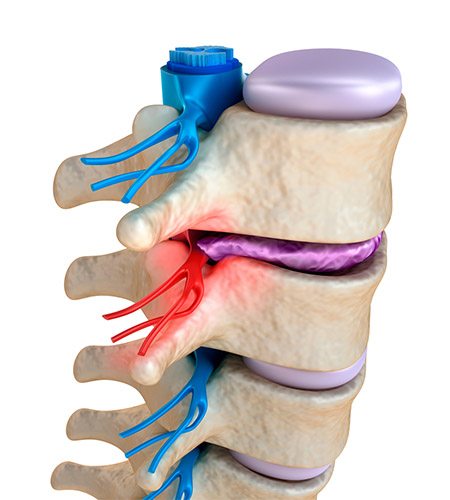
MRI for back pain: What Your MRI Isn’t Telling You!
Star Physio are experts in lower back and neck pain. Our experts are available at Star Physio West Perth and Mosman Park offices.
Have you recently had an MRI of your spine that returned a jumble of unfamiliar and frightening terms?
Maybe reading the report left you feeling worried, wondering about everything that is wrong with your back. Sometimes after speaking with your doctor, you might even feel more confused!
The good news is that many of the findings on an MRI are simply normal changes related to aging. In most cases, these changes do not indicate a serious problem with your back. Often these findings are not even related to your back pain!
Just as we develop grey hairs and wrinkles as we age, our spines undergo natural aging changes. A well-known study, which examined thousands of people with no back pain, revealed that many common MRI findings are a normal part of getting older.
For example:
- Disc Herniations: About one-third of people without back pain have a disc herniation (protrusion).
- Disc Bulges: Nearly 50% of 40-year-olds show signs of disc bulges.
- Degeneration: Up to 96% of 80-year-olds exhibit degenerative changes.
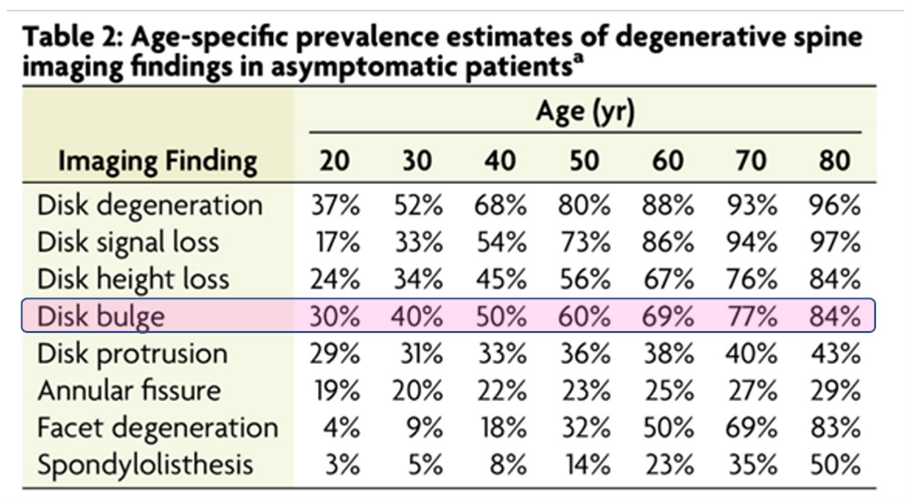
Normal findings on spine MRI
These findings are present in people who aren’t experiencing any pain! We also know that the findings do not predict future pain or problems!
What should you do if you’re experiencing low back pain and your MRI shows these age-related changes?
The first step is to consult with a professional who truly understands spinal health. It’s essential to have a thorough assessment to determine whether there’s a meaningful link between your MRI findings and your symptoms. While most MRI results aren’t the direct cause of pain, certain findings may be associated with low back pain.
Best Treatment for MRI findings and Lower Back Pain
Every person is unique. Your MRI is just one piece of the puzzle—it doesn’t capture the full picture of your health. Most people with back pain benefit from a tailored exercise program, and some may require hands-on treatment to achieve relief and improved function.
By understanding that many of the changes seen on your MRI are simply part of the normal aging process, you can focus on what really matters. This involves finding effective ways to manage your pain and maintain a high quality of life.
Don’t keep putting up with your pain!
Book in to see one of the Star Physio experts today to get a thorough assessment and plan to get your back pain under control! Bring in your MRI so that we can discuss what matters and what doesn’t in the findings. You might be pleasantly surprised how “normal” your MRI findings are!

Free injury prevention program for musicians.
Star Physio and WASO Star Physio are proud to be the official physiotherapy partners of the Western Australian Symphony Orchestra (WASO). We work closely with the musicians and orchestra support staff in prevention and management of injuries. Injuries in...

Running Physio: Over-pronation and Flat Feet.
Questions for the running physio: “I have flat (pronated) feet hence, I need supportive shoes to reduce my risk of injury” by Dan Davis, Running Physiotherapist, Exercise Scientist, Elite Triathlete, Marathon Runner, Track Runner. Star Physio Pronation (or...
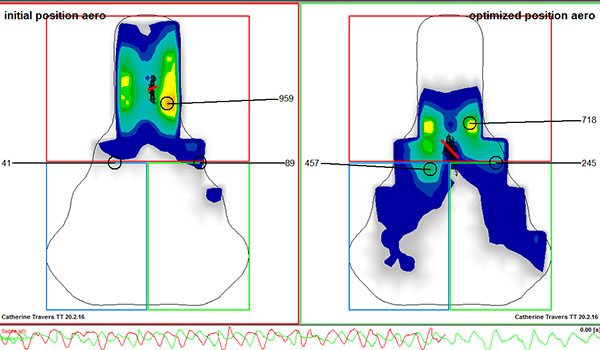
Saddle pain while cycling! Stop putting up with it today!
You don't have to put up with saddle pain while cycling! Bikefit for saddle pain @Star Physio using GebioMized Pressure Analysis Technology. Star Physio’s staff have been fitting cyclists to find their optimal position for over 20 years. In the last...
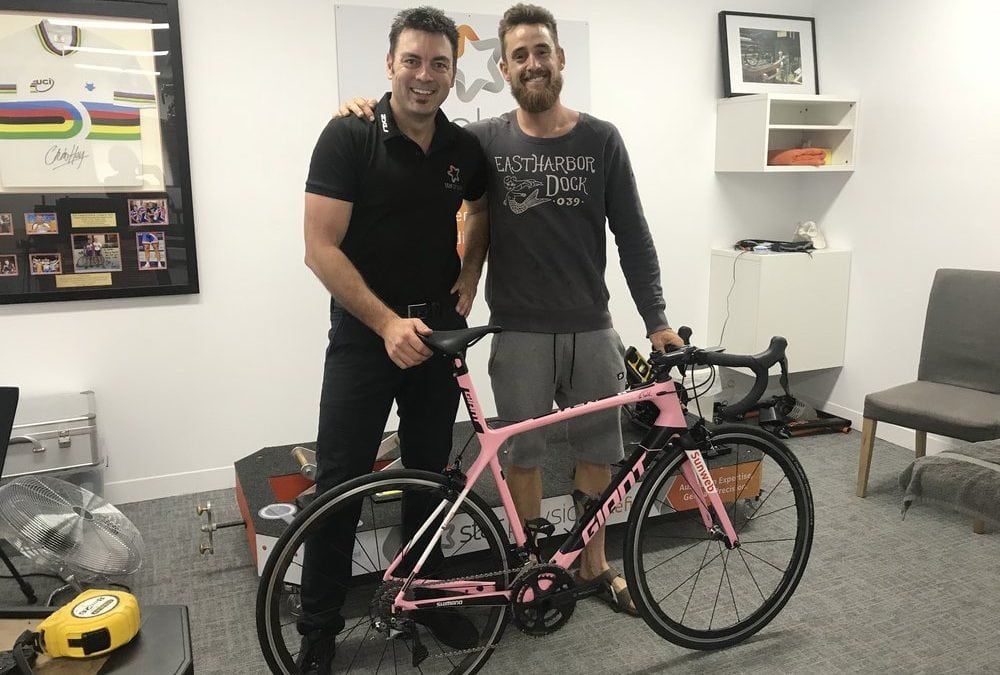
Bikefit @ Star Physio with Ultra Endurance Cyclist Jack “Cycles Far” Thompson
If you haven't been following the adventures of Jack "Cycles Far" Thompson, you should be! Check out his crazy cycling challenges and amazing destinations via his webpage https://www.jackcyclesfar.com/ Jack has been a long time client of Star...
