
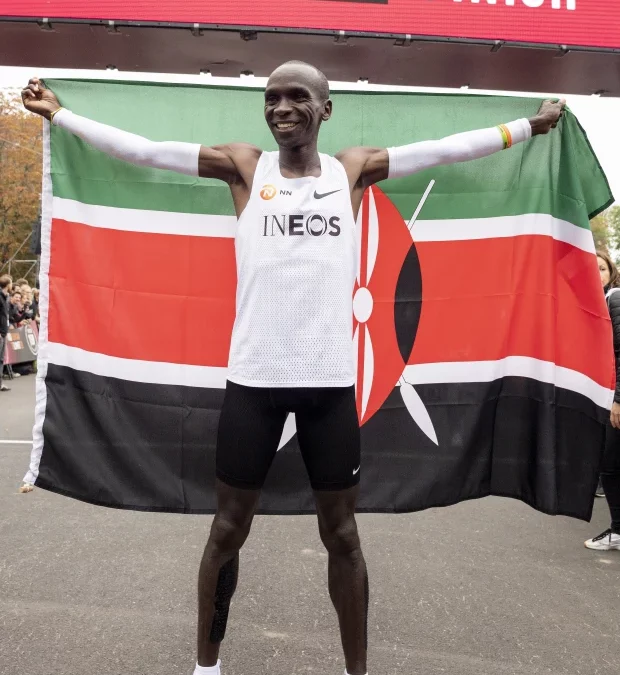
Choosing the best running shoes for injury.
Dan Davis, Star Physio, Exercise Physiologist, Runner!
RUNNING SHOES AND INJURY
Experiencing a running-related injury is a common part of the running experience that everyone from elite runners, to those starting their running journey may experience at some point. When we run, our body is exposed to a variety of forces, and our ability to tolerate adapt to these is related to our previous exposure to similar forces. Star Physio has an expert team who deal with running injuries every day. Check them out here!
Running shoes can be factor that may influence our ability to tolerate running and in recent shoe advancements, they may in fact help our performance.
Read ahead to find out Star Physio’s top tips on how to choose best running shoes for you!
FACTORS TO FOCUS ON WHEN CHOOSE THE BEST RUNNING SHOE
There is an overwhelming amount of information, jargon and marketing posed to the runner when selecting a shoe. Terms such as ‘stack height’, ‘stiffness’ and ‘pronation control’ are commonly used when describing shoes. Making sense of these ‘buzz’ words however, doesn’t need to be complicated and they also may have no bearing whether it is the right shoe for you!
It appears that evidence wise, the dominant factor that determines a positive outcome with respect to shoe selection is COMFORT.
Additionally, starting your shoe selection journey with similar shoes to those you have used in the past may be the most effective starting point within this journey.
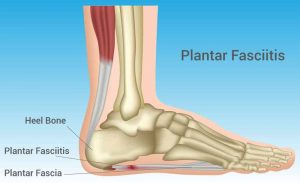
BUT WHAT IF I’M INJURED?
There is some evidence in specific injuries, that a certain type of shoe may help the runner. This is based on ‘shifting’ loads (forces) away from sore or irritable tissues. This can be relevant for both front of knee pain (patellofemoral pain or patella tendonitis) as well as heel pain (plantar fasciitis) or achilles pain (achilles tendonitis).
Furthermore, research indicated that for both of these injuries, a shoe with ‘arch’ support or an orthotic is the most useful element within the shoe.
The most important thing is to get a correct diagnosis of your injury first from an expert. Evidence on how to manage running pain and injuries continues to progress, but not all health professionals keep up with this. You might not even need to stop training! Book now with one of our expert team!
Consider a running analysis. Whether injured or not, expert analysis with high tech pressure and load analysis will show you areas under high load as well as deficiencies in your running which can be addressed with exercises that will not only help your pain, will make you run faster too!!! Read a bit more here!
IS MORE CUSHIONING BETTER?
Interestingly, this is not the case. Biomechanical studies show that when a person runs in minimalist shoes compared to bulky, cushioned shoe the forces remain the same yet are SHIFTED differently. For example, a highly cushioned shoe increased forces at the hip and knee yet reduces forces (slightly) at the ankle.
The takeaway here is that the force remains the same, but these can be shifted to different parts of the lower body with the correct shoe.
WHAT ABOUT PERFORMANCE?
Recent years has seen the rise of ‘carbon plated’ shoes, also known as ‘super’ shoes. These shoes have an inbuilt carbon (or nylon) plate that runs the length of the shoe, aimed at helping assist the runner to propel themselves forward using less energy or effort.
We’ve seen many examples of high performance and amateur athletes having success with these types of footwear, yet the evidence regarding specifics of these outcomes remains somewhat an anomaly.
Interestingly, it appears the carbon plate isn’t the only factor that may play a role in the performance advantage of these shoes. Weight, shape and the type of cushioning used are among the main elements that appear useful.
These shoes may help performance but we don’t know exactly why! Additionally, is appears COMFORT is again the determining factor when considering which super shoe may suit you best.
**Keep in mind, these shoes are not made to last. Consider a pair of more robust trainers for the majority of your running is also recommended.
BEST RUNNING SHOES SUMMARY
- COMFORT remains the key determinant of the ‘right’ footwear for a runner
- In specific injury contexts, modification to shoes can be HELPFUL
- More cushioning is not necessarily ‘better’
- Fancy, ‘super’ shoes may indeed make you FASTER but your selection within this should remain based on COMFORT
HOW TO KNOW YOU ARE GETTING THE BEST RUNNING SHOES FOR YOU INJURY!
Take our tips as a great guide to help you to find the right shoe for you. If you are injured, make sure you get the correct diagnosis and advice, and if your health professional tells you that you need to stop running for more than a few days, get a second opinion unless you are dealing with bone damage! You may not be getting the best advice.
Not all physios and podiatrists are the same!!!
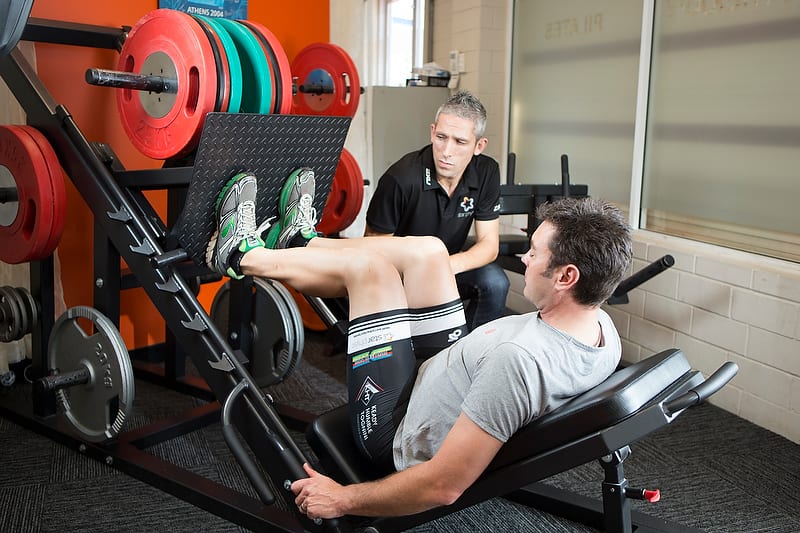
Have you got pain in the front of your hip? Expert Literature Review by Dr James Debenham PhD.
Physiotherapy as an initial treatment for Femoroacetabular impingement. Review of Literature. Dr James Debenham (PhD), Star Physio Research Director reviews physiotherapy treatment for a common hip complaint seen in athletes called femoroacetabular...
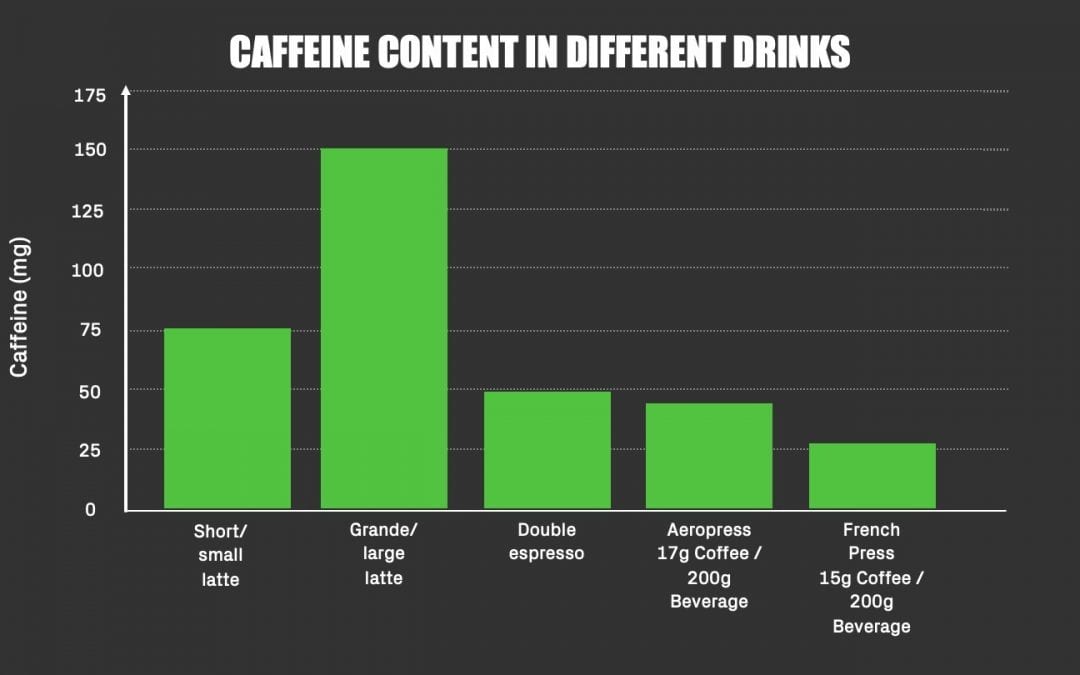
Coffee and performance
Coffee dosages in typical coffee drinks. Athlete or not, coffee is one of the most commonly ingested drinks in the world. Many of Star Physio's staff and clients take their coffee pretty seriously either for taste, performance or fashion! Many people do...
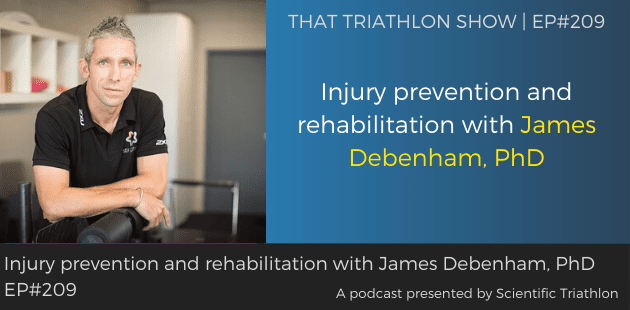
Injury Prevention Podcast with James Debenham
Injury prevention and rehabilitation with James Debenham, PhD | EP#209. That Triathlon Show James Debenham, PhD, is a physiotherapist and Director at Star Physio, a researcher and university lecturer, as well as an accomplished Ironman athlete himself. He...
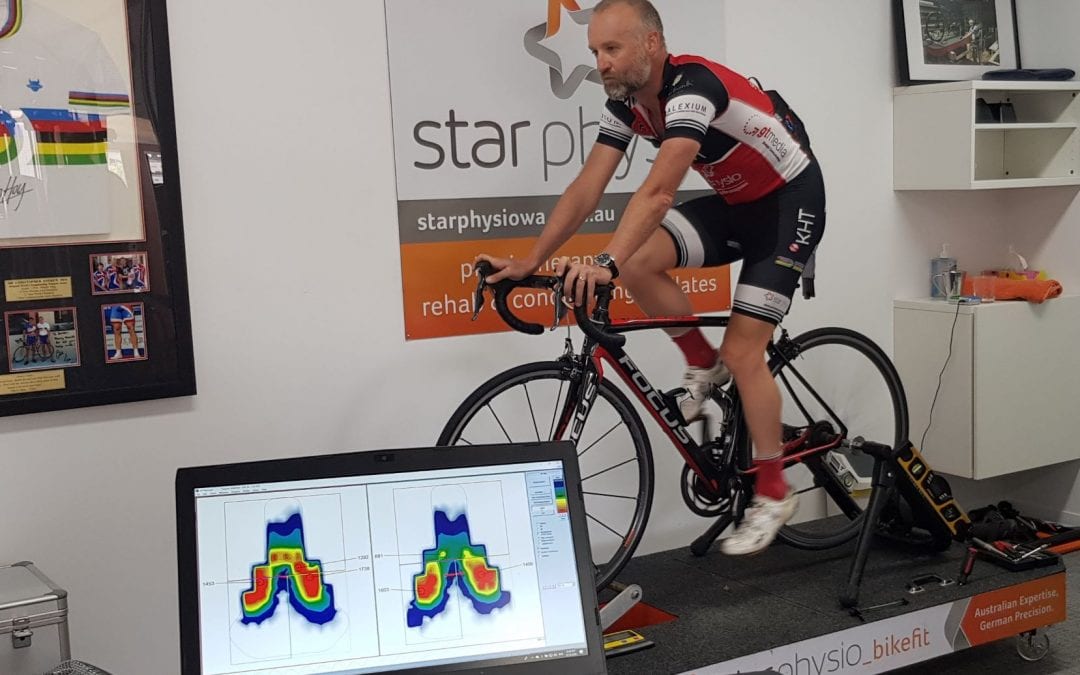
Star Physio Bikefit at Tour Down Under 2020
Course - Management of cycling injuries and bikefit. January 2020, Adelaide, February 2020, Perth. The Australian Physiotherapy Association have asked Star Physio's principal physiotherapist, Damian Oldmeadow, to present courses to physiotherapists on...
