
Disc Bulge and Low Back Pain: What You Need to Know
Ever had an MRI for lower back pain that showed a disc bulge? You might be wondering if that’s the culprit behind your back pain. Here’s a breakdown of what disc bulges are and what they really mean for you.
Disc Bulge vs. Herniated Disc: What’s the Difference?
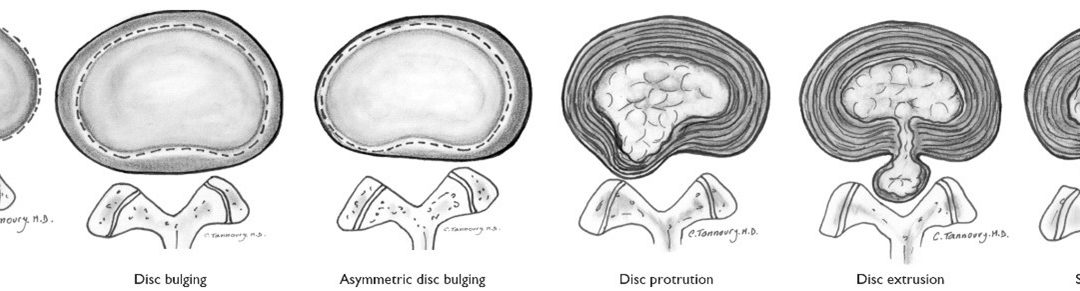
First things first, a disc bulge isn’t the same as a herniated disc. Imagine a disc in your spine like a car tyre with chewing gum inside of it! In a herniation, there’s a localized “bump” in the tyre. Sometimes it can crack and the “chewing gum” can come out. A disc herniation includes a protrusion, extrusion and a sequestration. With a disc bulge, the “tyre” stays intact, but the it just pushes out a bit more than usual. Look at the pictures below.
Types of disc bulge
Can a Disc Bulge Cause Pain?
Surprisingly, disc bulges are very common, even in people without back pain. Studies show many people have bulges without any symptoms. This means just seeing a bulge on an MRI doesn’t necessarily explain your pain.
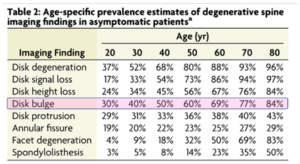
Lots of people with disc bulges have no pain!
So, What Does Cause Back Pain?
The truth is, lower back pain can come from many sources. It’s often non-specific, meaning there’s no single cause we can pinpoint. Here’s an analogy: Think of your back pain like tinder. Disc bulges and other changes in your spine can be like tinder, ready to ignite. But a spark is needed to set it off. This spark could be stress, poor sleep, physical strain or other things. Some people have more “embers” than others, making them more prone to pain flares.
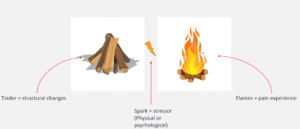
How pain works!
The Key to Feeling Better
The good news is there are ways to manage back pain, even with a disc bulge. It’s about addressing the “fire” and not just the “tinder.” This could involve staying active, getting enough sleep, and managing stress. Physiotherapists can help you develop a personalized plan to build strength and flexibility, reducing pain and preventing future flare-ups.
Talking to Your Physiotherapist About Your MRI
If you have an MRI showing a disc bulge, discuss it with your physiotherapist. They can help you understand what the results mean and focus on a treatment plan for your specific situation.
Here are some key takeaways:
- Disc bulges are common and don’t always cause pain.
- MRI findings alone don’t necessarily explain your back pain.
- Back pain is often non-specific and can be managed through physiotherapy and lifestyle changes.
Remember, you’re not alone! Many people experience back pain. By working an expert physiotherapist from Star Physio, you can find ways to manage your pain and get back to living an active life.
Call 64249578 or book an appointment with here!

Balance and living longer.
Inability to balance one leg for 10 seconds linked to doubling in risk of death! The inability to stand on one leg for 10 seconds over the age of 50 years is linked to a near doubling in the risk of death from any cause within the next 10 years, finds...
Women’s Cycling
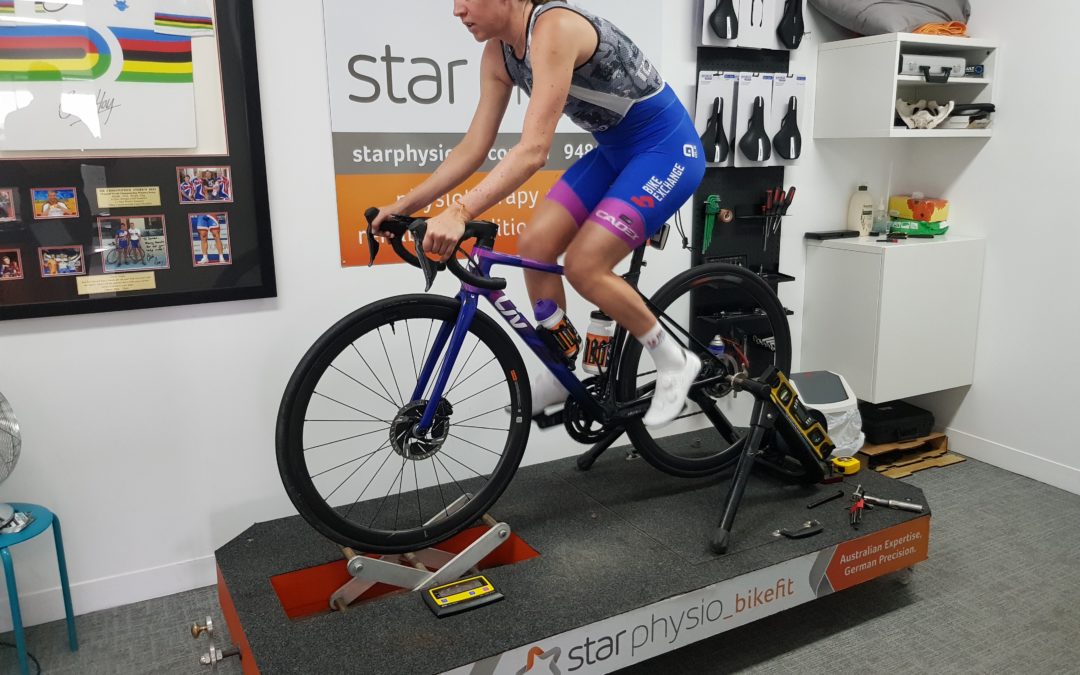
Perth's Professional Women's Cyclist Jess Allen. Women's Cycling has exploded around the world in the last decade and right amongst it has been Perth's own Jess Allen! Jess first met some of the Star Physio team 15 years ago as an upcoming teenager. Star Physio...

How Much is Too Much Cycling?
Too Much Cycling? Is there such a thing as too much cycling? If you’re a super keen rider, you might think it’s impossible to be out on the road or track too much. But overtraining can be a very real problem for cyclists, whether you’re just starting out, or are an...

Chronic Back Pain
Chronic Lower Back Pain Information. Dr Kevin Wernli, PhD in lower back pain is an expert physiotherapist who has worked at Star Physio in Mosman Park. Listen to Kevin speak about new information about chronic and ongoing lower back pain and how we can help you! For...
