
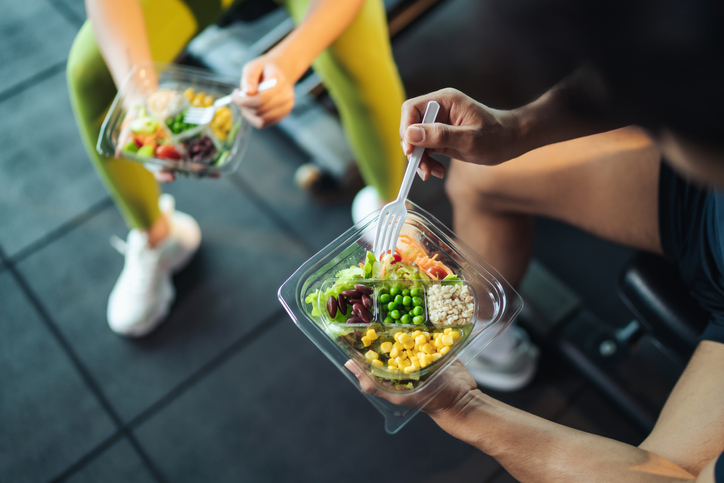
Are You Getting Enough?
Essential Sports Nutrition and Diet Tips.
Athletes and active teens with high training loads have increased nutritional needs. Working with a Clinical Nutritionist or sports dietitian can help ensure you’re fuelling your body for performance, recovery, growth, and health.
Read more about Star Physio’s expert nutrition team here!
One of the most important things you can do is match your energy intake to your energy output. That means fuelling for training, competition, recovery, school, and daily life. Without enough energy, you’re at risk of Low Energy Availability (LEA), illness, injury, and poor performance.
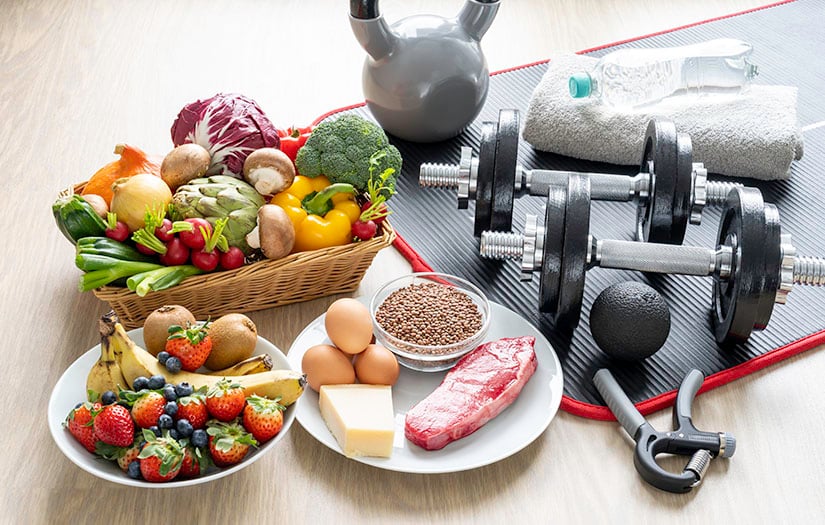
Common Nutrient Deficiencies in Active Teens & Athletes
Here are some key nutrients that athletes may fall short on:
1. Protein
-
Vital for muscle repair, growth, and bone health.
-
Also supports immune function and enzyme production.
-
Aim for ~30g per meal, especially at breakfast, snacks, and within an hour after training.
-
Sources: Chicken, turkey, beef, fish, eggs, dairy, tofu, edamame.
2. Iron
-
Needed to make haemoglobin, which carries oxygen to your muscles and brain.
-
Deficiency = fatigue and poor performance.
-
Requirements:
-
Females 14–18 years: 15mg/day
-
Males 14–18 years: 11mg/day
-
-
Heme iron sources: Liver, red meat, dark poultry, mussels, oysters, sardines, eggs.
-
Non-heme sources: Tofu, lentils, beans, leafy greens, wholegrains, cacao, cashews, dried apricots.
-
Tip: Pair iron-rich foods with vitamin C to increase absorption. Avoid excess caffeine or tea around iron-rich meals.
3. Calcium
-
Crucial for bone strength, muscle function, hormones, and nerve signals.
-
Requirement for 12–18-year-olds: 1300mg/day
-
Sources:
-
Sardines (382mg/100g)
-
Milk (300mg/cup)
-
Firm tofu (300mg/150g)
-
Chia seeds (200mg/30g)
-
Yoghurt (150mg/150g)
-
Cottage cheese (120mg/150g)
-
Unhulled tahini, almonds
-
4. Omega-3 Fatty Acids
-
Supports brain health, learning, mood, and helps reduce muscle and joint inflammation.
-
Recommended intake: 1.5–3g/day
-
Sources:
-
Oily fish (e.g. salmon, mackerel, sardines)
-
Chia seeds, flaxseeds, walnuts
-
Consider a fish oil supplement if needed
-
Should You Get a Blood Test?
If you’re training heavily (e.g. twice daily), consider visiting our Clinical Nutritionist Jemma Watson for specific blood tests. These may include:
-
Iron studies
-
Vitamin D
-
PTH (Parathyroid Hormone) for bone health
This information can help your sports nutritionist or sports dietitian tailor a nutrition plan to your needs.
Need Help with Your Sports Nutrition?
Getting your sports nutrition right takes time, structure, and individual guidance. A sports dietitian can help you build a flexible, balanced diet that supports performance, recovery, and long-term health.
Book an appointment with our experienced Clinical Nutritionist or Sports Dietitian at Star Physio today and get the support you need to fuel your best.
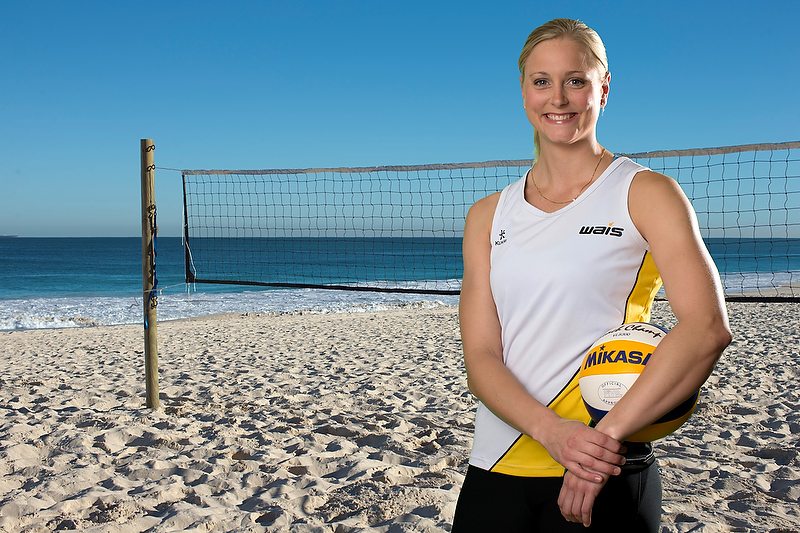
Tara West knows Best: Get that shoulder rotating!
So you have all heard me harp on, time and time again, about the importance of strength training for volleyball players. A recent article in the British Journal of Sports Medicine identified strength training as the most effective way to reduce the risk of injury in...
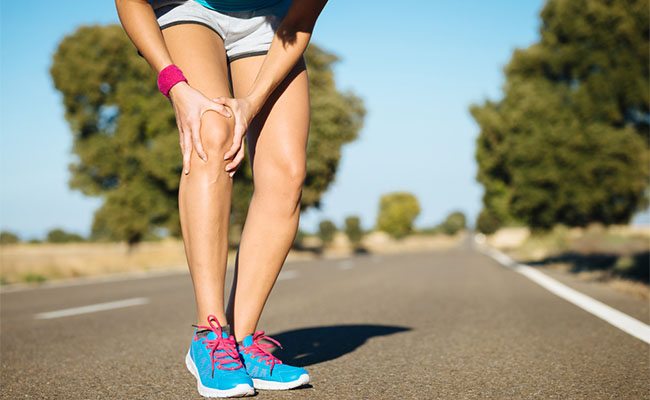
Causes and treatment of ITB syndrome
The term ITBS gets thrown around a lot in the sporting community, but it’s come to be misused as a kind of umbrella term for knee injuries. There are a lot of common misconceptions surrounding ITBS, or iliotibial band syndrome, which can lead to home treatments doing...
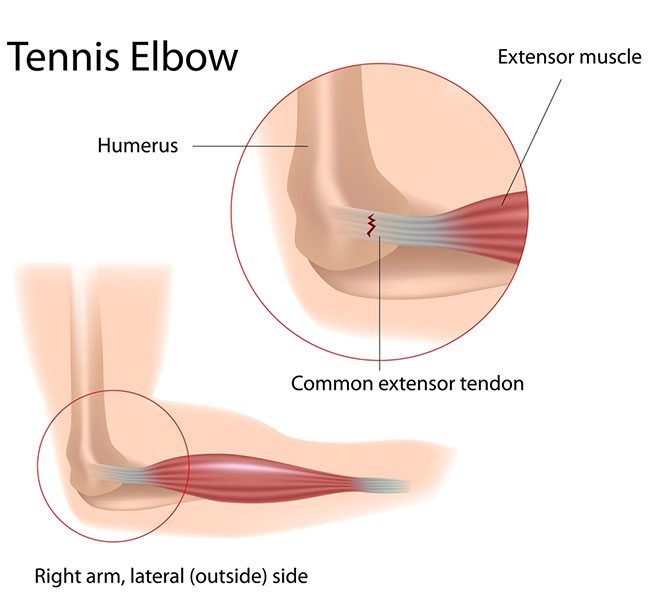
11 Signs You Have Tennis Elbow and What to Do About It
If you’ve ever suffered from tennis elbow, you’ll know that the sore, hot pain on the outside of the elbow can be difficult to bear when you’re performing regular, everyday activities like picking things up or typing on a computer. But while the condition is called...
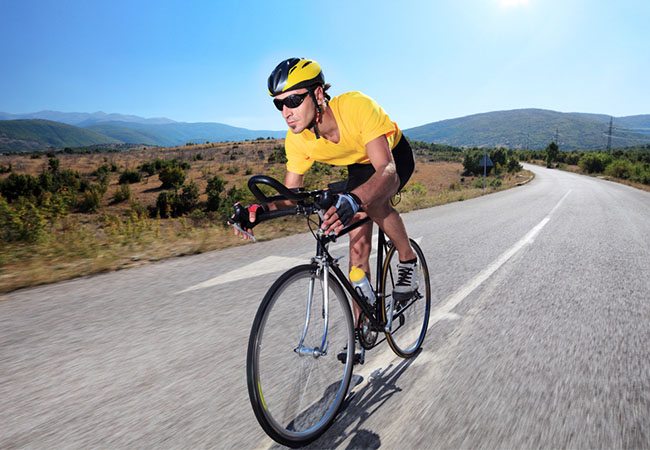
5 Things the Right Bikefit Will do for Serious Cyclists
A good bike fit relies on the person performing the fitting service, and the technology used, to be accurate and precise. Getting the right Bikefit will not only make your ride more comfortable and efficient, but it can help you prevent common cycling injuries while...
