
Fuelled to Perform: A Sports Dietitian’s Perspective on Endurance Sport
Reviewed by: Donna Kimpton – Sports Dietitian
Endurance athletes are known for their discipline and commitment. As a sports dietitian working with endurance athletes — particularly rowers — I see that dedication every season.
Training ramps up, motivation is high, and major competitions such as National Championships approach. Athletes push themselves with impressive effort and consistency.
Yet despite this commitment, many athletes reach a frustrating point: they train harder than ever but performance plateaus. They feel flat, fatigued, or stuck.
In many cases, the issue is not training effort — it’s fuelling.
Training provides the stimulus for adaptation, but nutrition provides the resources for adaptation. Without adequate fuelling, the body simply cannot respond to training in the way athletes expect.
Athletes experiencing persistent fatigue or performance plateaus may benefit from working with a sports dietitian in Perth to review their fuelling strategies.

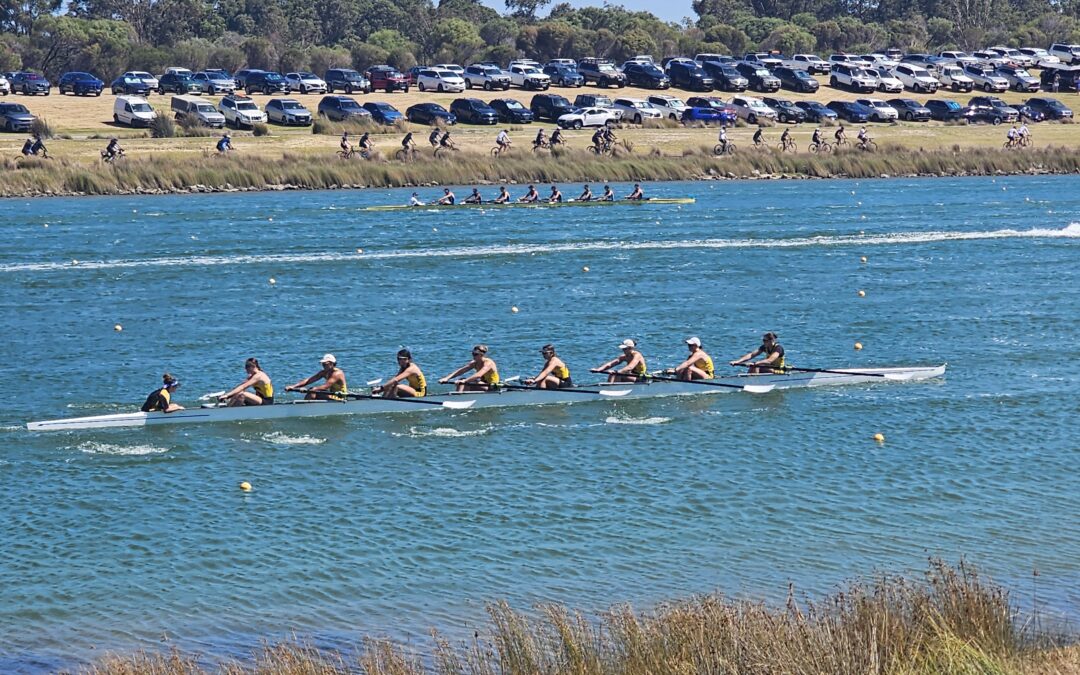
Members of the WA Youth 8+ Rowing Team at Champion Lakes
When Training Harder Doesn’t Lead to Better Performance
Many endurance athletes assume fatigue or performance plateaus mean they simply need to train harder.
However, one of the most common issues seen in endurance sport is Low Energy Availability (LEA).
Low Energy Availability occurs when an athlete’s energy intake does not meet the combined demands of training and normal physiological function.
When this happens, the body begins to prioritise essential functions needed for survival. Other systems begin to down-regulate.
This can impact:
-
bone health
-
immune function
-
hormonal health
-
mood and concentration
-
menstrual regularity
-
recovery from training
LEA is particularly common in adolescent female athletes and athletes involved in endurance sports such as rowing, running, cycling and triathlon, where training loads are high and body weight pressures may exist.
Under-Fuelling vs Overtraining
What athletes and coaches often interpret as overtraining is frequently under-fuelling.
When athletes train hard but fail to meet their nutritional needs, the body struggles to support both training demands and normal health.
Common warning signs include:
Performance signs
-
declining erg scores or race performance
-
difficulty hitting training targets
-
heavy legs during sessions
-
slower recovery between sessions
Health signs
-
persistent fatigue
-
frequent illness
-
bone pain or increased injury risk
-
disrupted sleep
-
menstrual irregularities
Behavioural signs
-
skipping meals
-
avoiding carbohydrates
-
training in a fasted state
-
becoming rigid or restrictive around food
These signs are important physiological signals that energy availability is too low.
Early intervention can prevent longer-term health and performance consequences.
Lightweight Rowing and Weight Management
As major competitions approach, conversations about body weight often increase — particularly in lightweight rowing categories.
While weight categories are part of the sport, aggressive or rapid weight cutting can significantly impair performance.
Strategies such as:
-
dehydration
-
severe carbohydrate restriction
-
skipping meals
may help athletes “make weight”, but they often compromise the very qualities needed for performance.
Research consistently shows these approaches can reduce:
-
power output
-
reaction time
-
concentration
-
recovery capacity
Safe weight management is possible, but it must be:
-
gradual
-
supervised
-
performance-focused
-
guided by qualified professionals
Fuelling Around Training: The Key to Performance
Nutrition is not just something athletes think about after training — it is an essential part of the training process itself.
Before Training
Eating before training improves:
-
power output
-
focus and concentration
-
perceived exertion
-
training quality
During Training
For longer or high-intensity sessions, fuelling during training can:
-
maintain energy levels
-
reduce fatigue
-
support sustained performance
Recovery Nutrition
The first 30 minutes after training is a critical recovery window.
Consuming carbohydrate and protein during this period helps support:
-
glycogen replenishment
-
muscle repair
-
immune function
-
adaptation to training
These are not optional extras — they are essential components of performance development.
Recognising the Signs of Under-Fuelling
For athletes, coaches and parents, recognising early warning signs can make a significant difference.
Pay attention to:
-
declining performance
-
difficulty completing training sessions
-
unusual fatigue
-
illness occurring more frequently
-
disrupted menstrual cycles
-
restrictive eating behaviours
Early support from a sports dietitian can help athletes restore adequate fuelling, improve performance and protect long-term health.
Supporting Performance Through Nutrition
The goal of endurance training is not simply to train harder — it is to train effectively and sustainably.
When athletes match their nutrition to their training demands, they:
-
recover faster
-
adapt more effectively
-
perform more consistently
-
reduce injury risk
-
support long-term health
As the rowing season intensifies, prioritising nutrition may be one of the most powerful performance strategies available.
Proper fuelling supports not only physical performance, but also mental wellbeing, resilience and longevity in sport.
Work With a Sports Dietitian
At Star Physio WA, our sports dietitian Donna Kimpton works with endurance athletes, rowers, runners, cyclists and triathletes to optimise fuelling strategies for training and competition.
Support may include:
-
endurance nutrition strategies
-
race fuelling plans
-
recovery nutrition
-
RED-S and low energy availability support
-
safe weight management for lightweight rowing
-
nutrition for injury recovery
If you would like personalised nutrition guidance to support your training, you can book a consultation with our sports dietitian in West Perth or Mosman Park.
About the Author

Donna Kimpton. Star Physio Dietitian.
Donna Kimpton is a sports dietitian at Star Physio WA who works with endurance athletes, rowers, runners and cyclists to optimise nutrition for performance, recovery and long-term health.
References
Burke, L. M., et al. (2015). Carbohydrates for training and competition. Journal of Sports Sciences.
Logue, D., et al. (2020). Low energy availability in athletes: prevalence and risk factors. Sports Medicine.
Mountjoy, M., et al. (2018). IOC consensus statement on Relative Energy Deficiency in Sport (RED-S). British Journal of Sports Medicine.
Slater, G., et al. (2014). Body mass management in lightweight rowing. Journal of Sports Sciences.
Thomas, D. T., et al. (2016). Nutrition and athletic performance. Journal of the Academy of Nutrition and Dietetics.

Munda Biddi Trip
Munda Biddi - The Trip. Donnybrook (well Kirup) to Albany in 9 days with a mixture of relatively short days and warm showers to tough days and cold water tank rinses was the Munda Biddi journey for Star Physio's Damian Oldmeadow in May this year. If you are...

Munda Biddi Bikepacking
Munda Biddi Bikepacking Musings! Earlier this year, Star Physio's Principal Physiotherapist and Bikefitter, Damian Oldmeadow, enjoyed 9 days of near perfect weather bikepacking on the Munda Biddi trail. Starting near Donnybrook and ending in Albany the trip totalled...
Cycling Orthotics
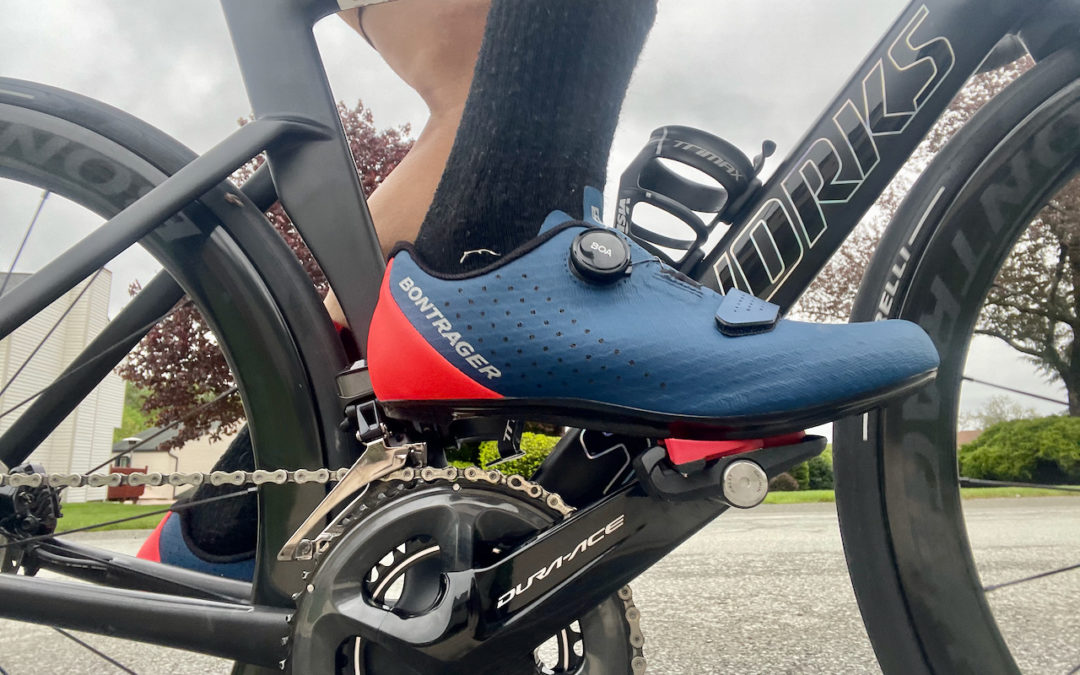
Premium Custom Cycling Orthotics Now Available at Star Physio Have you considered cycling orthotics? Are you currently using off the shelf inserts and are wondering if they are as good as it gets? Do you get foot pain or numbness? Have you got the ideal foot-pedal...
Run the Perth City to Surf
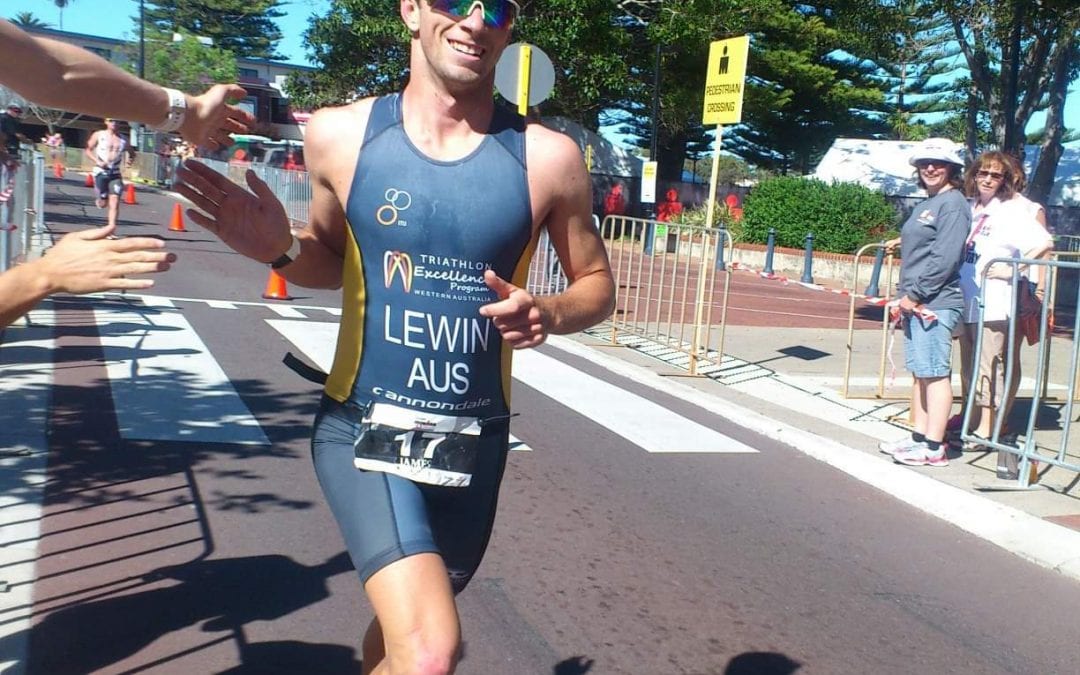
Free City to Surf Training Program Check out this great, safe running program developed by our expert physiotherapist for the Perth City to Surf. Star Physio's James Lewin is physiotherapist to the Australian Triathlon Team and an elite athlete and former professional...
