
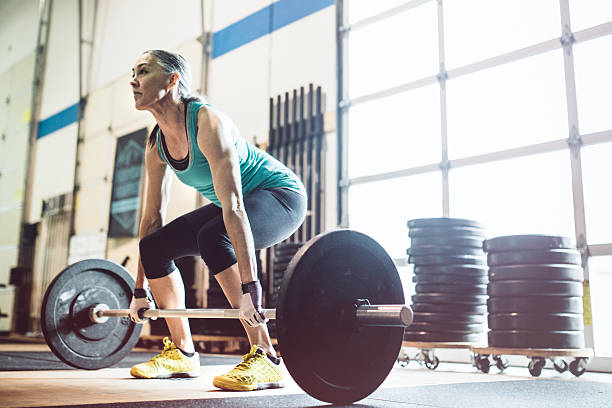
Women’s Strength Training: A New Era of Confidence, Performance & Longevity
Women’s strength training is entering a powerful new era.
Across all ages, women are lifting weights, joining run clubs, playing sport, and prioritising physical health with confidence and intent. The focus has shifted away from shrinking bodies and towards strength, performance, and long-term resilience.
This shift matters — not just for fitness, but for independence, injury prevention, and quality of life. Read ahead as Star Physio’s expert physio and podiatrist, Julie Pham outlines why you should be strength training, and how to go about it!
Our Bodies Are Different — and That’s a Strength
There is no single “right” way to approach women’s strength training.
Physiology, recovery capacity, hormonal changes, and life stage all influence how women respond to load. Strength and conditioning should evolve over time, supporting longevity rather than burnout.
Training smarter, not harder, is what keeps women strong for life.
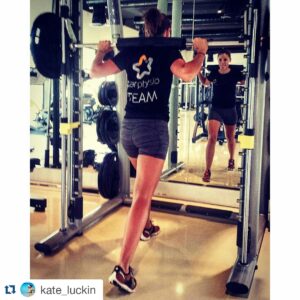
Strength work in the Star Physio Gym.
Women’s Strength Training in Your 20s: Build the Foundation
Your 20s are about learning how to train well.
Focus on:
-
Gradual progression in training volume
-
Building tissue capacity to absorb load
-
Developing sound lifting technique
-
Avoiding comparison to unrealistic social media standards
Strong habits formed now protect you later.
Strength training guidelines (20–30 years):
-
2–4 resistance training sessions per week
-
30–60 minutes per session
-
Whole-body movement patterns
-
1–2 sprint or high-intensity sessions on separate days
Women’s Strength Training in Your 30s: Recovery Is Key
As life demands increase, recovery becomes a performance tool.
Prioritise:
-
Sleep and stress management
-
Adequate protein and overall energy intake (See Donna Kimpton’s article here for more on this!)
-
Consistent strength training (2–3 sessions per week)
-
Listening to early signs of overload
Consistency beats intensity!
Strength training guidelines (30s):
-
Emphasise compound lifts
-
Progressively increase load
-
Use 6-week training blocks
-
Begin preparing for future power-based training
Leg Press Strength at Star Physio
Women’s Strength Training in Your 40s: Strength, Power & Mobility
Women’s strength training in the 40s is about maintaining capacity — and often exceeding expectations.
Key priorities:
-
Maintain and build strength
-
Include power work (jumps, sprints, fast lifts)
-
Protect mobility and joint health
-
Reject the myth that performance declines with age!
Many women experience their strongest decade here.
Strength training guidelines (40+):
-
Minimum of 2 resistance sessions per week
-
Allow time to learn new movements if new to lifting
-
Include 1–2 sprint or high-intensity sessions
Women’s Strength Training in Your 50s: Bone Health Comes First
Hormonal changes increase the risk of bone loss, making women’s strength training essential.
Focus on:
-
Lifting heavy enough to stimulate bone density
-
Impact loading where appropriate
-
Maintaining muscle to support joints
-
Daily physical activity
This is proactive injury prevention!
Women’s Strength Training in Your 60s and Beyond: Strength Equals Independence
Strength training supports:
-
Balance and fall prevention
-
Independence in daily activities
-
Confidence in movement
-
Long-term mobility
It is never too late to start. The goal is not athletic performance — it is freedom of movement!
Keep Going — You’re Changing the Story
Women’s strength training is no longer about aesthetics. It’s about capability, confidence, and longevity.
At Star Physio WA, we support women at every stage — helping you train safely, build strength, and protect your body for the long term.
If you’re unsure where to start, or want tailored guidance, our physiotherapists can help you train with confidence. As physiotherapists with post graduate training in strength and conditioning, we can design a program that can work for you even if you are in pain, injured or have previous issues.
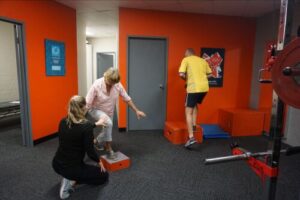
GLA:D Arthritis Class at Star Physio
Strength Training for Arthritis.
If you have been told you have osteoarthritis or may need a hip or knee replacement in the future, make sure you check out our GLA:D arthritis class program. If you have HBF or HCF health cover, these classes may be free to you! Check it out here!
How do I get Started?
The best time to start your strength training is yesterday! The next best time is today!!!
Why not book an appointment with Julie or one of our other expert staff to get your strength program started today!
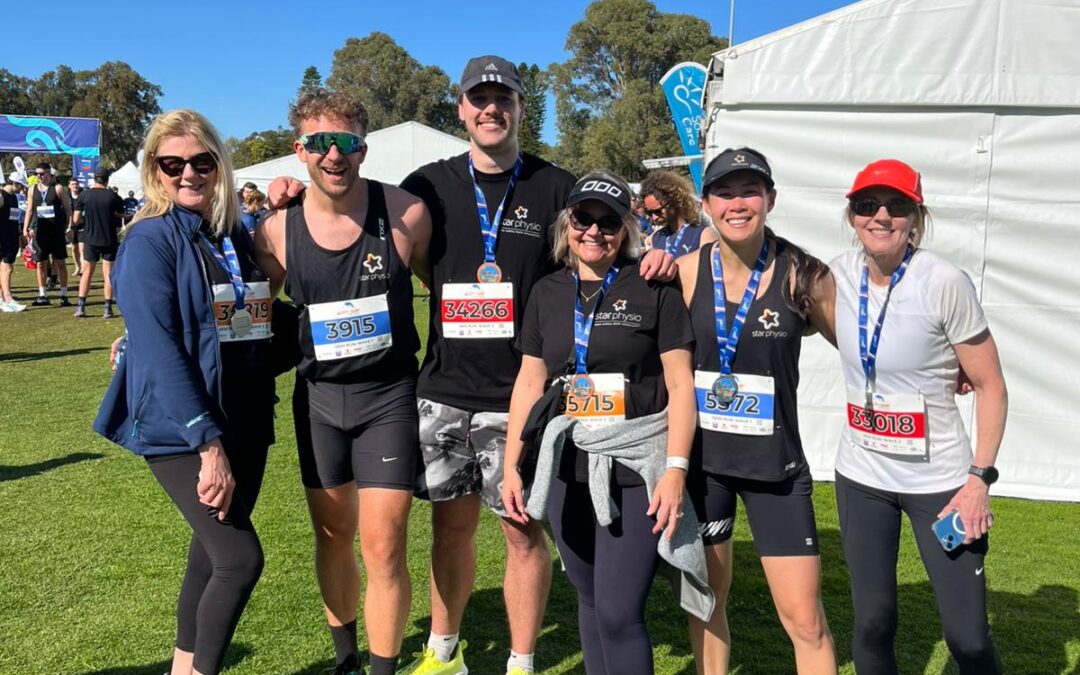
Returning to exercise
Returning to exercise in Spring. Spring is here! It’s fantastic to see so many Perth people getting outdoors again as the weather warms up and the days grow longer. However, before you dive back into running, cycling, or gym sessions, there are a few important things...

Collagen and Protein
Is collagen your rehab MVP? Collagen is everywhere on your social feeds with powders, pills, gummies and more — but can it speed up your rehab? Donna Kimpton is an accredited practising dietitian (APD) who works with the team at Star Physio to help patients and...
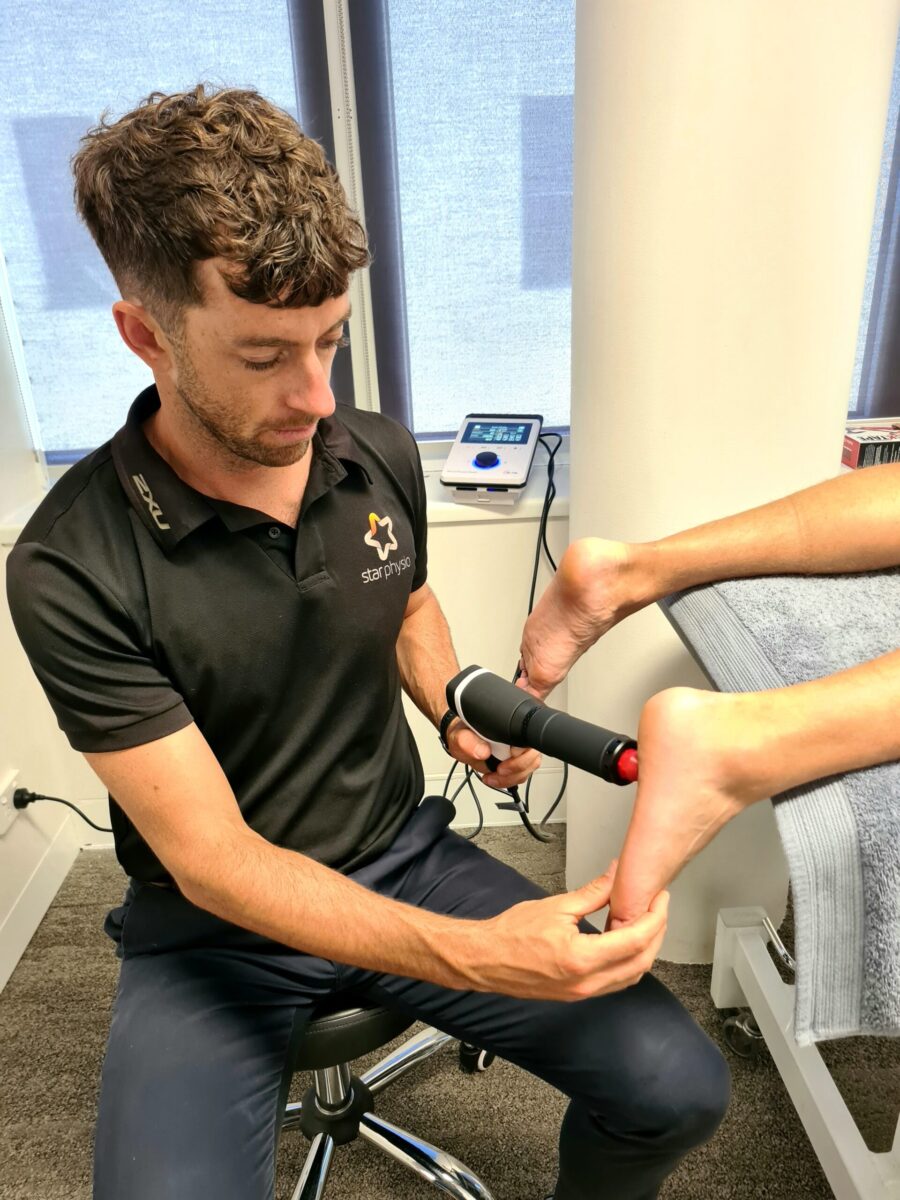
Shockwave Therapy
Shockwave Therapy at Star Physio WA At Star Physio WA, we are excited to offer Shockwave Therapy, a modern treatment that delivers outstanding results for many stubborn injuries. This non-invasive treatment uses acoustic waves to stimulate healing in damaged tissues....

Top Tips for Post Injury Running Shoes
Running Shoes and Injury. Normal Running Loads. It can be frustrating for a runner to be sidelined with an injury. Running places considerable stress on the muscles, joints, tendons and ligaments. Even the most efficient runners see loads of 2-3 times their body...
