
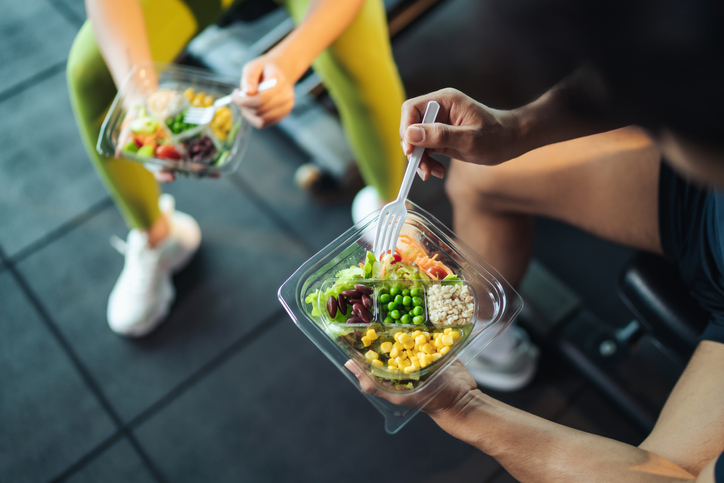
Are You Getting Enough?
Essential Sports Nutrition and Diet Tips.
Athletes and active teens with high training loads have increased nutritional needs. Working with a Clinical Nutritionist or sports dietitian can help ensure you’re fuelling your body for performance, recovery, growth, and health.
Read more about Star Physio’s expert nutrition team here!
One of the most important things you can do is match your energy intake to your energy output. That means fuelling for training, competition, recovery, school, and daily life. Without enough energy, you’re at risk of Low Energy Availability (LEA), illness, injury, and poor performance.
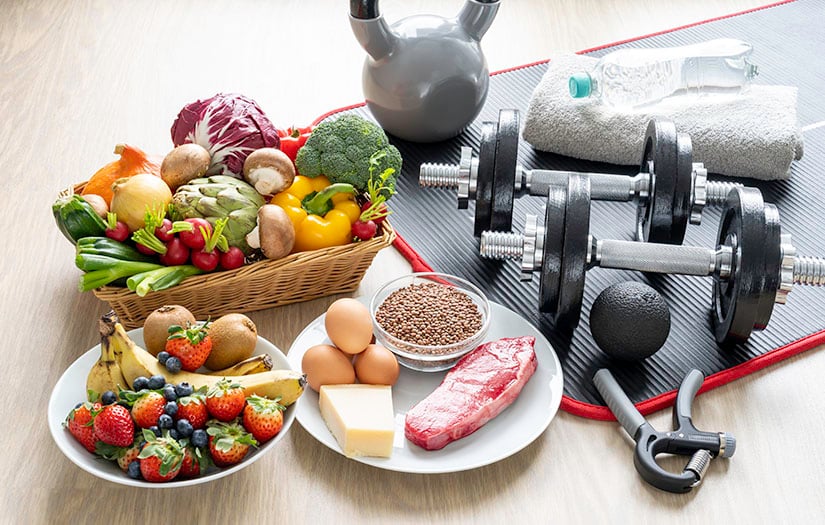
Common Nutrient Deficiencies in Active Teens & Athletes
Here are some key nutrients that athletes may fall short on:
1. Protein
-
Vital for muscle repair, growth, and bone health.
-
Also supports immune function and enzyme production.
-
Aim for ~30g per meal, especially at breakfast, snacks, and within an hour after training.
-
Sources: Chicken, turkey, beef, fish, eggs, dairy, tofu, edamame.
2. Iron
-
Needed to make haemoglobin, which carries oxygen to your muscles and brain.
-
Deficiency = fatigue and poor performance.
-
Requirements:
-
Females 14–18 years: 15mg/day
-
Males 14–18 years: 11mg/day
-
-
Heme iron sources: Liver, red meat, dark poultry, mussels, oysters, sardines, eggs.
-
Non-heme sources: Tofu, lentils, beans, leafy greens, wholegrains, cacao, cashews, dried apricots.
-
Tip: Pair iron-rich foods with vitamin C to increase absorption. Avoid excess caffeine or tea around iron-rich meals.
3. Calcium
-
Crucial for bone strength, muscle function, hormones, and nerve signals.
-
Requirement for 12–18-year-olds: 1300mg/day
-
Sources:
-
Sardines (382mg/100g)
-
Milk (300mg/cup)
-
Firm tofu (300mg/150g)
-
Chia seeds (200mg/30g)
-
Yoghurt (150mg/150g)
-
Cottage cheese (120mg/150g)
-
Unhulled tahini, almonds
-
4. Omega-3 Fatty Acids
-
Supports brain health, learning, mood, and helps reduce muscle and joint inflammation.
-
Recommended intake: 1.5–3g/day
-
Sources:
-
Oily fish (e.g. salmon, mackerel, sardines)
-
Chia seeds, flaxseeds, walnuts
-
Consider a fish oil supplement if needed
-
Should You Get a Blood Test?
If you’re training heavily (e.g. twice daily), consider visiting our Clinical Nutritionist Jemma Watson for specific blood tests. These may include:
-
Iron studies
-
Vitamin D
-
PTH (Parathyroid Hormone) for bone health
This information can help your sports nutritionist or sports dietitian tailor a nutrition plan to your needs.
Need Help with Your Sports Nutrition?
Getting your sports nutrition right takes time, structure, and individual guidance. A sports dietitian can help you build a flexible, balanced diet that supports performance, recovery, and long-term health.
Book an appointment with our experienced Clinical Nutritionist or Sports Dietitian at Star Physio today and get the support you need to fuel your best.

Munda Biddi Trip
Munda Biddi - The Trip. Donnybrook (well Kirup) to Albany in 9 days with a mixture of relatively short days and warm showers to tough days and cold water tank rinses was the Munda Biddi journey for Star Physio's Damian Oldmeadow in May this year. If you are...
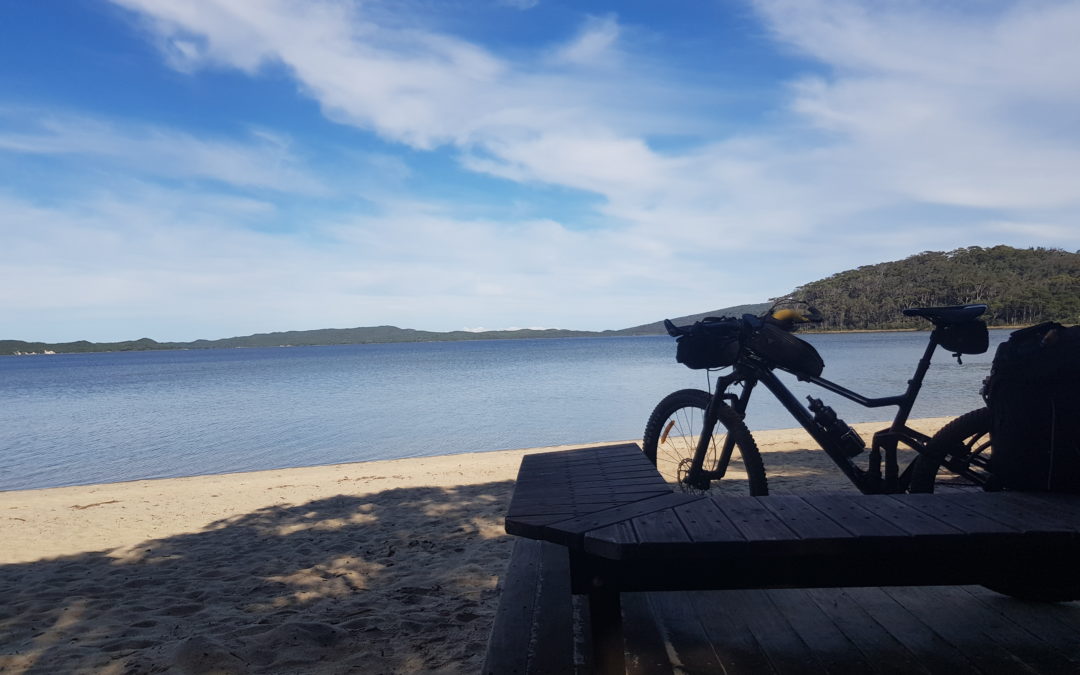
Munda Biddi Bikepacking
Munda Biddi Bikepacking Musings! Earlier this year, Star Physio's Principal Physiotherapist and Bikefitter, Damian Oldmeadow, enjoyed 9 days of near perfect weather bikepacking on the Munda Biddi trail. Starting near Donnybrook and ending in Albany the trip totalled...
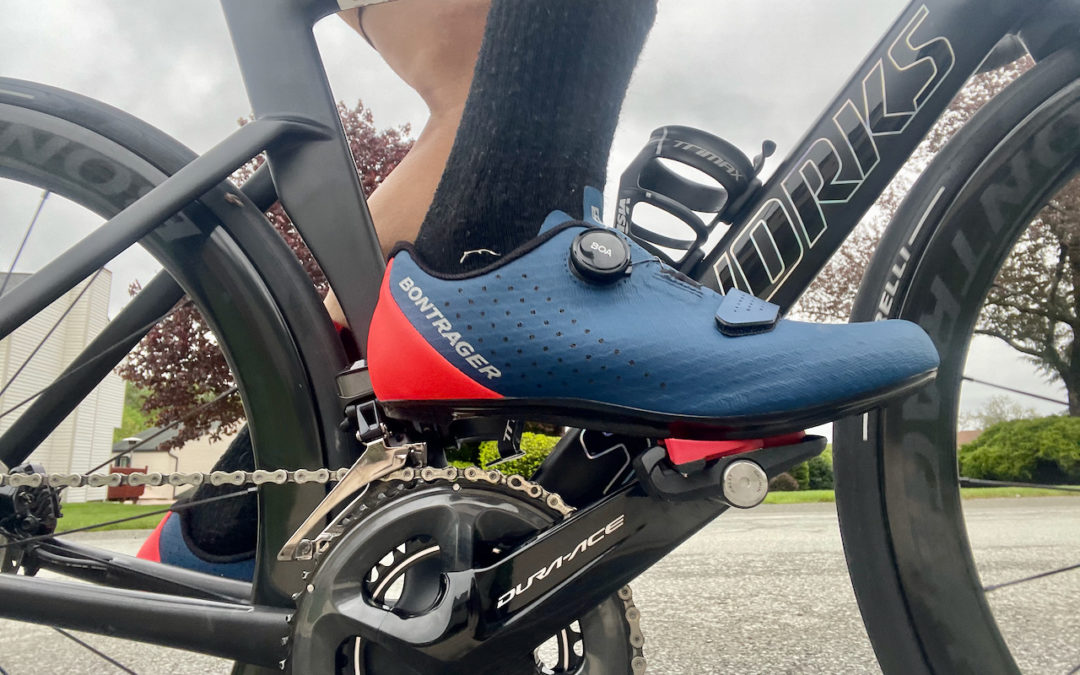
Cycling Orthotics
Premium Custom Cycling Orthotics Now Available at Star Physio Have you considered cycling orthotics? Are you currently using off the shelf inserts and are wondering if they are as good as it gets? Do you get foot pain or numbness? Have you got the ideal foot-pedal...
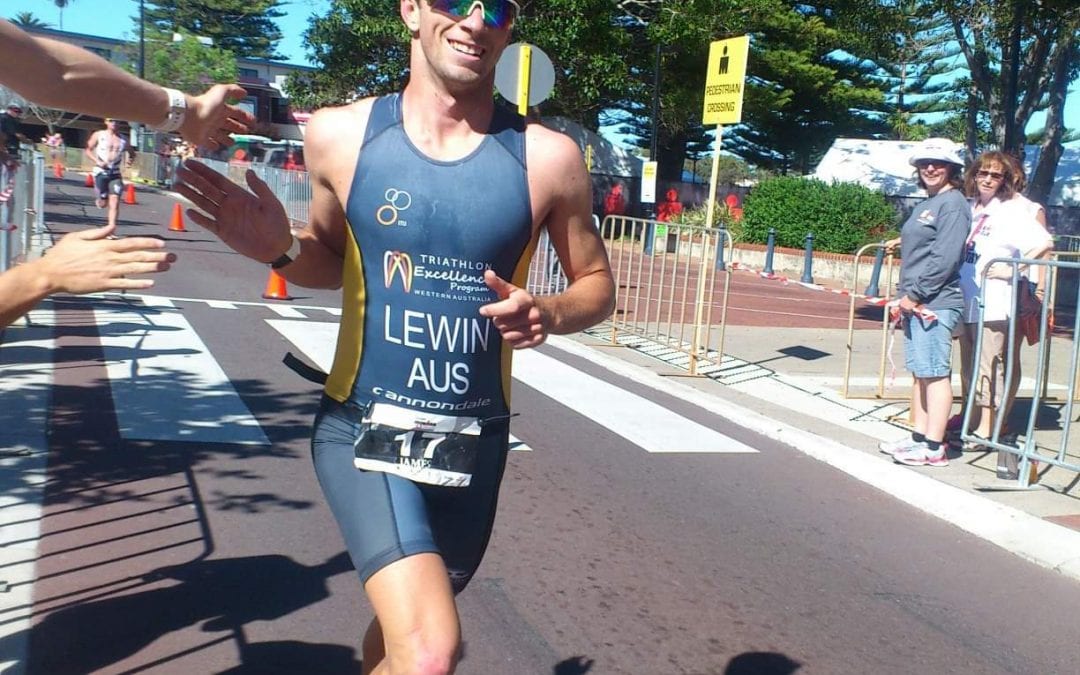
Run the Perth City to Surf
Free City to Surf Training Program Check out this great, safe running program developed by our expert physiotherapist for the Perth City to Surf. Star Physio's James Lewin is physiotherapist to the Australian Triathlon Team and an elite athlete and former professional...
