

Questions for the running physio: “I have flat (pronated) feet hence, I need supportive shoes to reduce my risk of injury”
by Dan Davis, Running Physiotherapist, Exercise Scientist, Elite Triathlete, Marathon Runner, Track Runner. Star Physio
Pronation (or feet that ‘roll in’) has somewhat traditionally been attributed to injury risk, hence the popularity within the running shoe world of ‘supp ortive’ categories of footwear that boast features such as a ‘stiffer mid-foot bridge’ and ‘medial posting’. However, is an absence of strong literature (i.e. good scientific studies) to support this thought process. In fact, one well designed prospective study found that injury risk was actually lower in subjects with a fair amount of apparent pronation (7-10O to be precise). Whilst this study alone is not conclusive to therefore assume more ‘pronated’ or ‘flatter’ feet have a lower injury risk, it adds strength to the argument that perhaps prescribing footwear that seems to ‘correct’ or reduce the movement of pronation may not be as valid as we think.
Did you know that World Marathon Record Holder Haile Gebrselassie is a classic overpronator? Check out these pics and see if you think “overpronation is a problem for him! 
However, when taking into account these ‘discrepancies’ in the literature and indeed before jumping to any potentially irrational conclusions, it’s important to consider the context in which a shoe is being prescribed. For example, there is good evidence to show that some types of supportive footwear can alter loading patterns in the feet, something which is particularly useful in the presence of certain pathologies or in the context of injury management.
As expert running physiotherapists in Western Australia, our aim is to be across the latest literature and evidence and to wade through the vast amount of advertising and social media rubbish, so that we can help you make smart choices with your pain and injuries, training and choice of running shoes.
In summary, in answer to this question, a ‘supportive’ shoe may not necessarily be the ‘best’ shoe in every context to reduce the risk of injury. If you’re currently managing an injury or looking to take the next (or first!) step in your running ventures book in to see either myself or one of our other expert team members at Star Physio in West Perth, Mosman Park or our CBD Office to help get you moving in the right direction.

The Science (and Art) of Tapering- Star Physio
Tapering for the UWCT! (…and any other event for that matter!) With Brett Buist, Physiotherapist and Exercise Physiologist, Star Physio Tapering is the training period just before an event where your training load is reduced to ensure peak performance. The challenge...
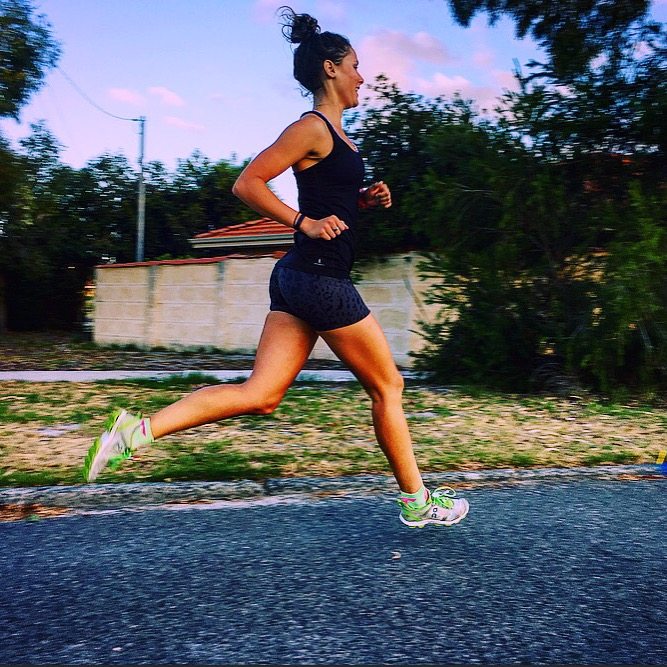
The Importance of Improved Fitness Levels
Fitness is a term describing the body’s ability to utilize oxygen relative to a person’s body size and composition. Fitness levels are affected by the body’s cardiorespiratory (heart and lungs) system, the musculoskeletal (muscles and bones) system and also by our...

Women Who Tri
If you attended the Women Who Tri Seminar on the 20 January and would like to view the presentation by our very own Kate Luckin (triathlete, physiotherapist and bike fit specialist), the presentation is available by clicking on the following link:...
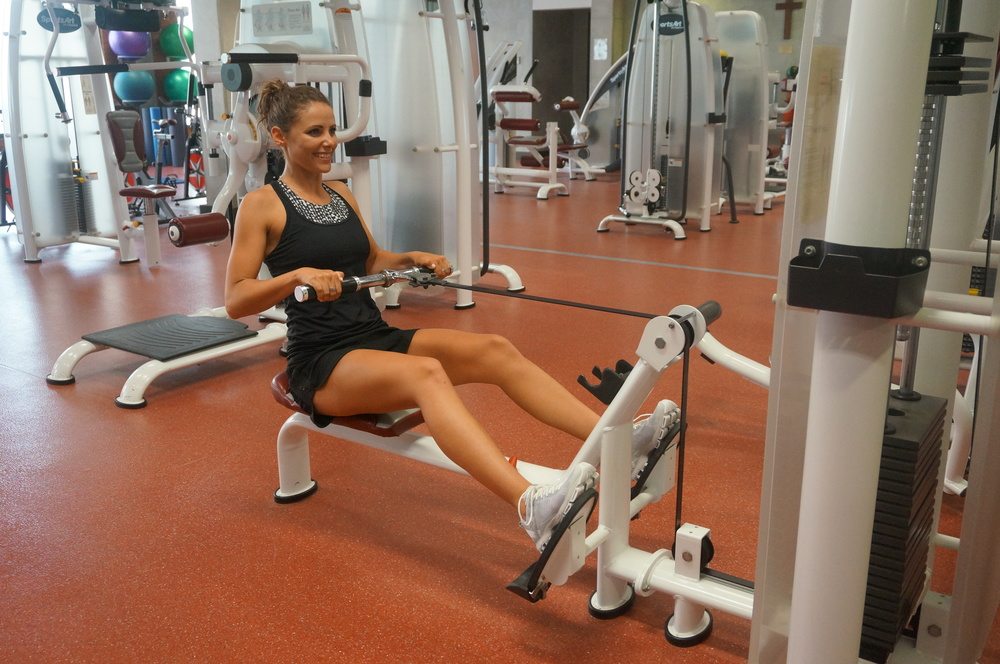
Strength Training and Weight Loss
Over time I have heard so many myths about strength work in females, many of which stem simply from miseducation. The benefits associated with strength work are numerous, some of which include: - Preventing bone loss and improvement in bone density - Improvements in...
